

nonforested
5.0
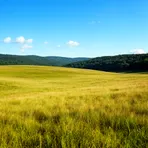
Land that does not have trees
- adjective
- /nɒnˈfɔːrɪstɪd/
:
no forestado
- The researchers studied wildlife patterns in nonforested areas to understand their habitat needs.
Examples
-
Nonforested land can be used for agriculture, whereas forested land is often protected.
-
Compared with nonforested areas, tiger landscapes sequester nearly 3.5 times the amount of carbon.
Academic text (2011) -
In nonforested regions, plant species face harsher growing conditions due to lack of tree cover.
Synonyms

treeless
vsnonforested
 4
2.7
4
2.7

An area with no trees
is the same idea but uses a form focusing on lack of trees

unforested
vsnonforested
5.6
An area that does not have trees
is the same meaning but uses a different negative prefix

untimbered
vsnonforested
8.2
An area that has no trees
is the same idea but uses an alternative descriptive form
unwooded
vsnonforested
4.3
Land with few or no trees
is the same meaning but expressed with a different word choice

nonforest
vsnonforested
6.0
Not part of a forest or covered in trees
is used mainly to describe physical absence of trees or wooded cover
Antonyms


How Forested

Surface Forms
nonforested positive
Morphology
Etymology
Nonforested is made from the part non- ('not') and forest ('woods'), so it means land 'not' covered by trees. That's why nonforested describes open areas or land without forests.