
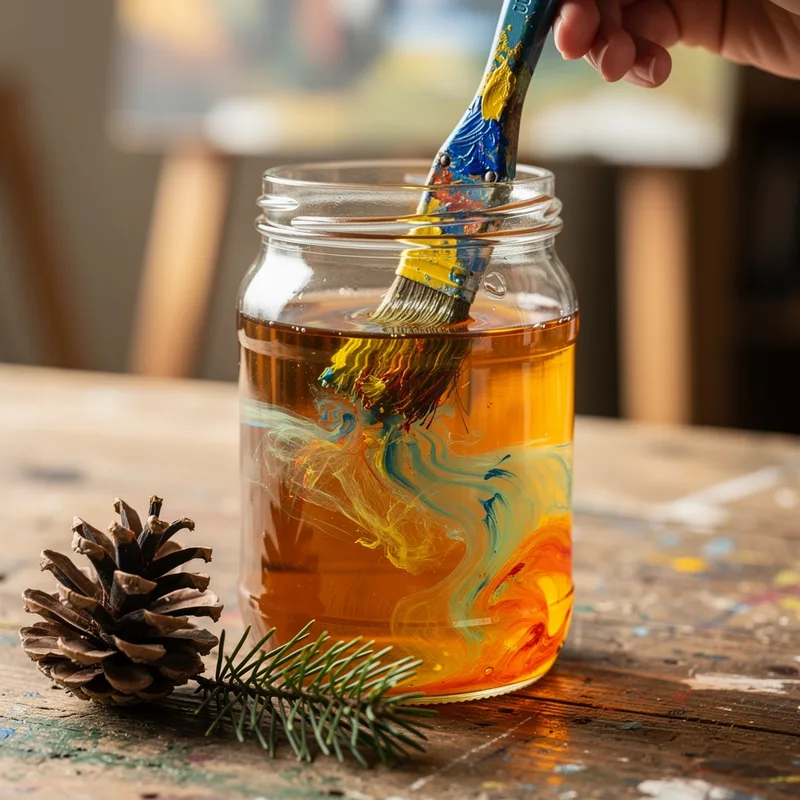
turpentine
 13
7.5
13
7.5

- noun
- /ˈtɜr.pən.taɪn/
- Specialized
- When I cleaned my brushes, I used turpentine as a solvent to remove the paint.
- turpentine and rosin
Examples
-
Look, if we'd have gone to the garage and gotten the turpentine like I suggested, none of this would have happened.
-
But Mother was busy in the kitchen, so I simply asked where the turpentine was, figuring that should do the trick.
Fiction book (1990) -
I just need more turpentine now.
-
I will never be able to smell turpentine again... without thinking of this blessed afternoon.
-
I'm going to get a little bit of turpentine on my brush.
-
Out her opened window, the air is thin and smells of turpentine.
Fiction book (1991) -
Get the turpentine out of the harness shed.
-
Others cut and hauled timber for a living or helped in the manufacture of turpentine.
Academic text (1990) -
Do I smell turpentine?
-
The loft was a tornado of empty turpentine cans, paint-blobbed rags, and miscellaneous piles of clothing.
Fiction book (1997)
Synonyms
A strong liquid used to thin oil paint and clean brushes

A strong-smelling liquid from pine resin that artists use to thin oil paint

A strong liquid used to thin oil paint and clean brushes

A strong liquid painters use to clean brushes after painting with oil
A sticky liquid from pine trees used to thin paint and clean brushes
Compounds
- Specialized
A sticky tree resin from the island of Chios used in medicine and to make varnish
- Specialized
A strong-smelling liquid from pine resin that artists use to thin oil paint
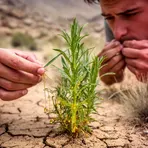
A plant from western United States with a strong smell and sticky resin on its leaves

A low, sticky plant with narrow leaves and small yellow flower heads that smells of resin
How Thick

Surface Forms
Etymology
The word turpentine comes from an old Greek word terebinth, the name of a tree that gives a sticky sap called 'resin'. That's why turpentine now means the strong oily substance, often from pine trees, that people use to thin paint and clean brushes.