

turpentine weed
- noun
- US
- The sticky leaves of turpentine weed are easily identified by their strong, resinous smell.
Examples
-
The bright yellow flower heads of turpentine weed attract various pollinators in the arid desert regions.
-
We found turpentine weed growing in abundance along the dusty roadside in Arizona.
-
Local wildlife often avoids turpentine weed because of its pungent odor and taste.
-
The turpentine weed grows abundantly in Arizona.
-
Many gardeners dislike turpentine weeds due to their stickiness.
-
In the Southwestern United States, turpentine weed is commonly found in sandy soil and rocky terrain.
-
When hiking through the desert, it's easy to spot turpentine weed due to its distinctive sticky leaves and vibrant flowers.
Synonyms


 1
9.9
1
9.9
A low, sticky plant with narrow leaves and many small yellow flowers that grows in the US Southwest
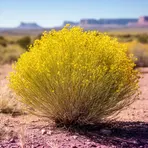
A low sticky shrub of dry land in the American Southwest with many thin branches and small yellow flowers
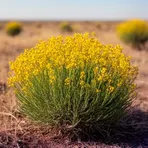
A low, sticky bush with narrow leaves and many small yellow flowers

A low, sticky bush with many small yellow flowers

A low sticky bush with narrow leaves, many thin branches, and many tiny yellow flowers

A low sticky bush with many small yellow flowers
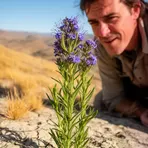
A plant from the western United States with a strong smell called vinegar weed or turpentine weed
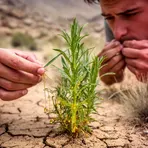
A plant from western United States with a strong smell and sticky resin on its leaves
Surface Forms
Morphology
turpentine + weed
This is a straightforward noun–noun compound: 'turpentine' denotes a resin/solvent with a characteristic resinous smell or quality and 'weed' denotes a plant, so the combined form refers to a plant associated with turpentine-like resin/smell or properties. A B1 learner who knows both constituents can reasonably infer it is a type of plant with those qualities, so the expression is compositionally transparent.
Etymology
Turpentine weed gets its name from the plant's sticky leaves and the strong smell people say is like turpentine. So the name simply describes a common weed known for its sharp 'smell'.