

broom snakeweed
- noun
- US
- The dry landscape was dotted with clusters of broom snakeweed in full yellow bloom.
Examples
-
Ranchers monitor the spread of broom snakeweed as it can affect grazing livestock.
-
Botanists collected samples of broom snakeweed to study its effects on the local ecosystem.
-
The broom snakeweed is often found in arid regions.
-
Many gardeners dislike broom snakeweed for its invasive nature.
-
In the dry desert, broom snakeweed can thrive even with little water.
-
Ranchers are concerned about the growth of broom snakeweed because it can be toxic to cattle.
-
During spring, the vibrant yellow flowers of broom snakeweed attract many pollinators.
Synonyms


 1
9.9
1
9.9
A low, sticky plant with narrow leaves and many small yellow flowers that grows in the US Southwest

A low, sticky bush with many small yellow flowers
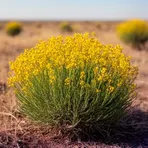
A low, sticky bush with narrow leaves and many small yellow flowers
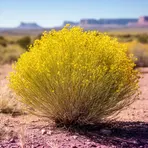
A low sticky shrub of dry land in the American Southwest with many thin branches and small yellow flowers

A low sticky bush with narrow leaves, many thin branches, and many tiny yellow flowers

A low, sticky plant with narrow leaves and small yellow flower heads that smells of resin
Surface Forms
Morphology
This is a compositional plant name: combining 'broom' and 'snakeweed' signals a type of snakeweed that is broom-like in form or association. A B1 learner who knows both constituents can readily infer it refers to a particular low-growing plant with the characteristics of snakeweed and a broom-like habit, so the meaning is derivable from the parts.
Etymology
Broom snakeweed may come from how the shrub looks: its many thin branches look like a small broom, and its long, spreading stems were called snakeweed because they run along the ground like a snake. That's why the name describes this 'low-growing sticky subshrub' with many yellow flowers.