
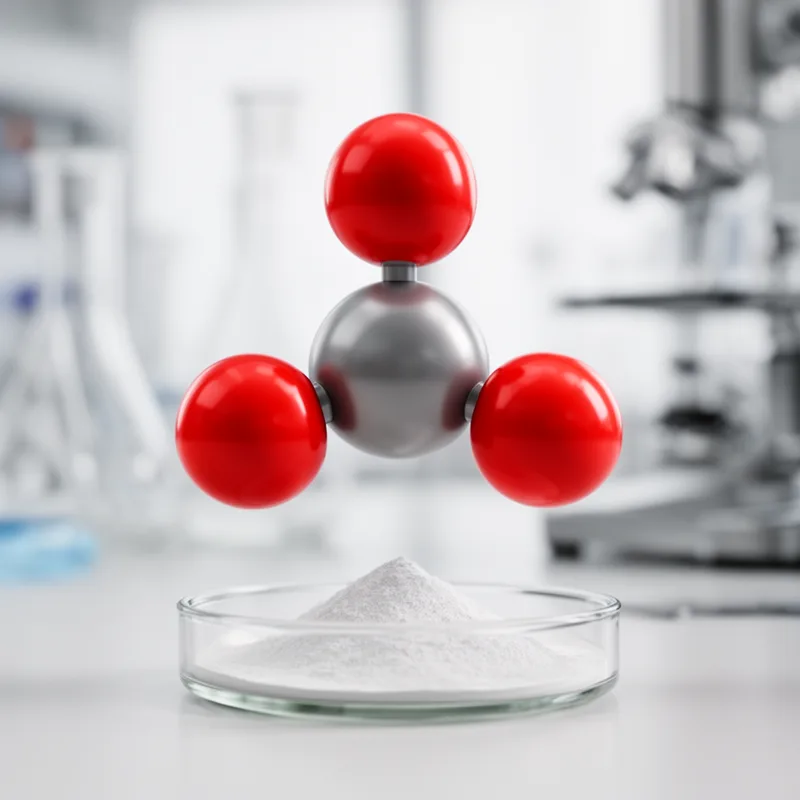
trioxide
- noun
- /traɪˈɒksaɪd/
- Specialized
- In the laboratory, scientists often work with molybdenum trioxide as a catalyst in chemical reactions.
- sulfur trioxide
- arsenic trioxide
Loading YouTube…
Watch on YouTubeBecause the reaction of dissolving sulfur trioxide into water is an extremely exothermic reaction, generates a ton of heat.
- Because the reaction of dissolving sulfur trioxide into water is an extremely exothermic reaction, generates a ton of heat.
Examples
-
Because alcohols react with chromium trioxide to get oxidized.
-
In February 2002, AEP announced that it would spend $7 million on a solution to inhibit the formation of sulfur trioxide and thereby prevent the reappearance of the sulfuric clouds that had plagued the town the previous summer.
Academic text (2005) -
Because the reaction of dissolving sulfur trioxide into water is an extremely exothermic reaction, generates a ton of heat.
-
Chromium trioxide is used in leather tanning and dyeing processes.
-
Arsenic trioxide is commonly studied for its effects on cancer treatment options.
Synonyms

 39
4.2
39
4.2

A substance made of oxygen and another element
Compounds

- Specialized
A medicine doctors give into a vein to treat a serious blood cancer
How Oxygenated

Surface Forms
Morphology
Etymology
Trioxide breaks into tri- meaning 'three', like in triangle, and oxide meaning 'joined to oxygen', like in oxidize. So, a trioxide is a compound that has three oxygen atoms.