

oxide
 39
4.2
39
4.2

- noun
- /ˈɑːksaɪd/
- Specialized
- Along with VOCs, nitrogen oxide is one of the primary components of ozone.
- nitrogen oxides
- nitrous oxide
- nitric oxide
Loading YouTube…
Watch on YouTubeThis is based on metal oxides which are very abundant.
- This is based on metal oxides which are very abundant.
- Methane and nitrogen oxide were in parts per million.
- Now this part of magnesium oxide smoke will disperse itself.
- Layered magnesium oxide with bismuth interlaces.
- This works because nitrous oxide, the gas that you put in there is highly soluble.
- I was inhaling nitrous oxide to the exclusion of breathing air.
- Instead of putting the old zinc oxide on, now we have these sprays that you can't see.
Examples
-
Uranium oxide is extracted from that solid, and the process is repeated until the oxide becomes sufficiently pure.
Academic text (1999) -
There was a strip of white oxide paste on his nose.
Fiction book (1990) -
It's got zinc oxide in in it.
-
Methane and nitrogen oxide were in parts per million.
-
We found traces of iron oxide and hematite.
-
This is based on metal oxides which are very abundant.
-
So you can see what's left is magnesium oxide and elemental carbon.
-
His nose was plastered with zinc oxide, and he was wearing his rubber sandals.
Fiction book (1990) -
The bay's nitrogen oxide airshed extends west to Michigan and south to South Carolina.
Academic text (1999) -
The chemist tested the sample for the presence of iron oxide during the experiment.
Compounds

- Specialized
5
4.6
A colourless gas with a sweet smell that makes people relax during medical treatment and boosts engines

- Specialized
3
4.6
Gases made of nitrogen and oxygen that pollute the air, often from vehicle engines



- Specialized

 1
5.0
1
5.0
A hard white material made from aluminum and oxygen used for tools and coatings
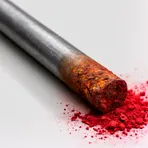
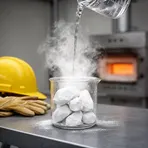
- Specialized
A white solid chemical used in building and industry that makes lime when water is added and gets hot


- Specialized
Water in which most hydrogen atoms are heavier than normal, used to slow neutrons in reactors
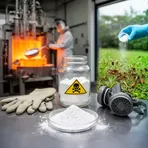
- Specialized
A poisonous white powder that people use to make glass and to kill pests or weeds
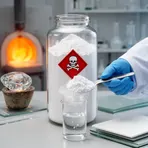
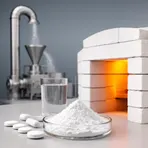
- Specialized
A white solid used as a source of magnesium, in heat-resistant materials, and as a health supplement
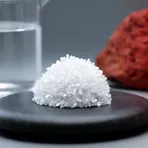
- Specialized
A white mineral made of aluminium and water that forms small crystals
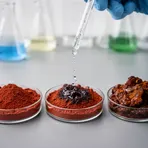

- Specialized
A system that adds nitrous oxide to an engine to make it more powerful

- Specialized
Compounds made of sulfur and oxygen, often gases that pollute air like sulfur dioxide


- Specialized
A white powder used to make things like paint or cream look white and stay bright

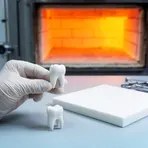
- Specialized
A white strong material that people use to make dental crowns and parts that get very hot
Surface Forms
Morphology
oxide = oxygen (transparent) = oxid + ide
The word names a compound of the element oxygen formed using the standard chemical suffix '-ide', so a learner who knows 'oxygen' can infer the meaning.
Etymology
Oxide comes from the name oxygen, where the oxy part once meant 'sharp' or 'acid' because early scientists thought oxygen made acids. An oxide is simply a chemical made with oxygen and one other element, so the name tells you it is a substance containing oxygen.