
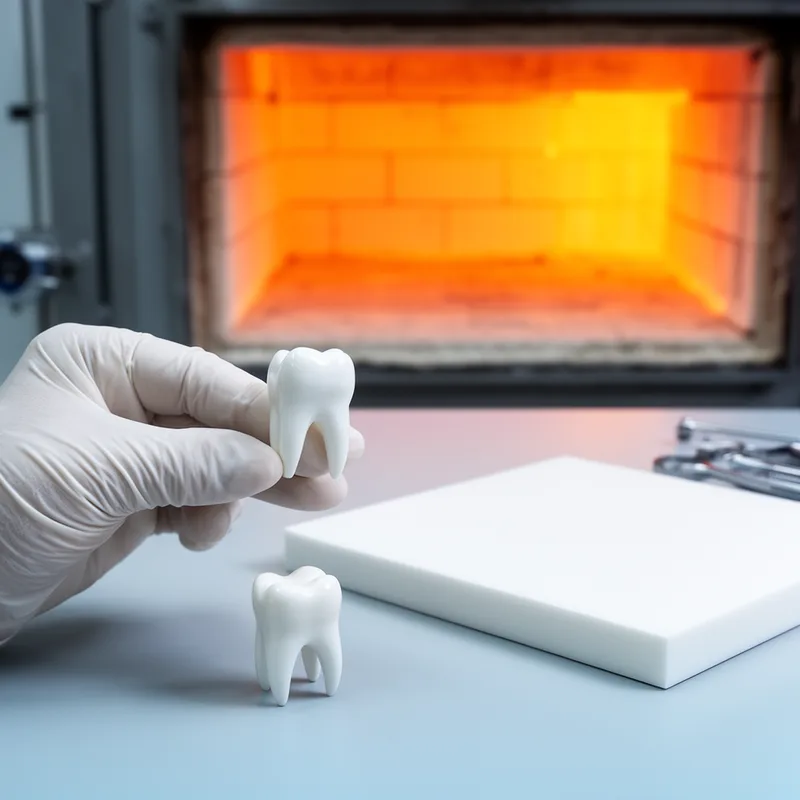
zirconium oxide
- noun
- /zɜrˈkoʊniəm ˈɑksaɪd/
- Specialized
- The power plant uses solid electrolytes: 40-micron-thick layers of zirconium oxide stabilized with yttrium oxide.
Examples
-
Although this resolution limit precluded seeing surface atoms, field emission still provides an electron source in many practical applications, often using tungsten tips coated with zirconium oxide.
Academic text (2006) -
Moreover, the zirconium-oxide electrolyte must be gas-tight to prevent the diffusion of fuel or air across the cell.
Academic text (1994) -
In addition, Membrex designers have developed ceramic membranes with zirconium oxide coatings for high-pil and high-temperature applications.
Academic text (1994) -
The researchers used zirconium oxide in their new ceramic tiles to enhance durability and heat resistance.
-
Manufacturers often add zirconium oxide as a coating to tools to improve their wear resistance and longevity.
-
In the lab, scientists studied the properties of zirconium oxide to find applications in advanced abrasives.
Synonyms
 5
8.5
5
8.5

A hard white material used instead of diamonds in jewelry and for heat-resistant ceramics

A white hard material used to make strong ceramics like dental crowns and heat-resistant linings
Surface Forms
Morphology
The phrase is a straightforward chemical compound name: combining 'zirconium' (the element) with 'oxide' (a compound formed with oxygen) yields the oxide of zirconium. This follows a regular, cross-linguistic naming pattern for element + oxide, so a learner who knows both constituents can infer it refers to the compound (ZrO₂), even if the term is technical.
Etymology
Zirconium oxide is a name that literally tells you what it is: the metal zirconium plus oxide, which means 'with oxygen'. The result is a very hard, white material that resists heat and is used for dental crowns and strong ceramics, so the name points to the compound people use today.