
trichloroethylene


 1
9.9
1
9.9
- noun
- /ˌtraɪˌklɔːrəʊˈɛθɪliːn/
- Specialized
- Due to its hazardous properties, trichloroethylene is classified as a probable carcinogen by health agencies.
- exposure to trichloroethylene
- chemical called trichloroethylene
Examples
-
The factory had to stop using trichloroethylene because it was contaminating the groundwater supply.
-
The U.S. Environmental Protection Agency (EPA) recommends that the concentration of trichloroethylene in drinking water be zero parts per billion and sets a maximum level of five parts per billion.
Academic text (1993) -
But don't forget the McClellan plume of Trichloroethylene solvent that was used in aircraft maintenance.
Blog text (13) -
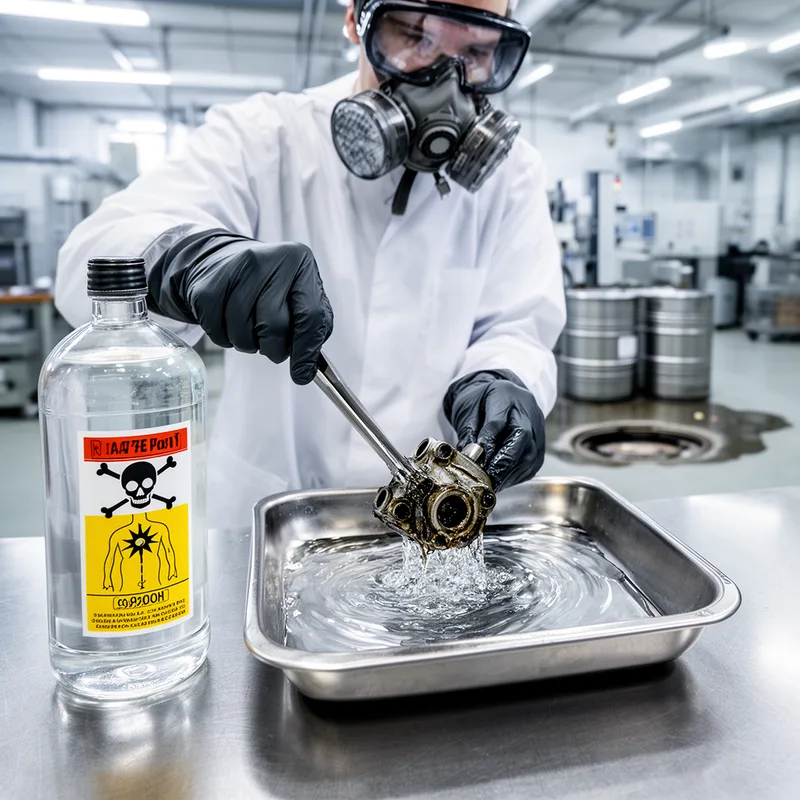
Trichloroethylene (TCE) is a solvent used worldwide for degreasing metal parts (International Agency for Research on Cancer, 1995).
Academic text (2008) -
Unfortunately, the sewage sludge contained lead, trichloroethane, trichloroethylene, chloroform, and other hazardous substances, presumably in violation of the permit.
Academic text (1999) -
The carcinogenicity assessments for trichloroethylene and tetrachloroethylene were withdrawn by the EPA in 1992 for further review and evaluation (12-13).
Academic text (1994) -
The chemical solvents contain chlorofluorocarbons, which damage the ozone layer, and volatile organic compounds such as trichloroethylene, a common groundwater pollutant.
Academic text (2000) -
The chemical trichloroethylene is used as a solvent in many dry cleaning processes, but it is highly toxic.
Synonyms
 1
9.9
1
9.9
A heavy clear liquid used to clean electronic parts that is very toxic and can damage the liver and lungs
 1
9.9
1
9.9
A toxic clear liquid used to clean electronics and dry-clean clothes that can cause cancer and harm liver and lungs
 1
9.9
1
9.9
A clear chemical liquid used for dry cleaning and removing grease

A chemical used to clean metal parts and once used to treat worm infections

A colorless liquid once used to clean things that is poisonous and now rarely used

A colorless toxic liquid once used to clean things or put out fires, now avoided because it harms the body

A clear liquid once used to clean things that is now used less because it is poisonous
How Toxic
- Specialized
1
9.9

- Specialized
1
9.9
- Archaic
- Specialized
1
8.5
- Specialized
66
4.1
Surface Forms
Morphology
Etymology
Trichloroethylene is made of three parts: tri- meaning 'three', chloro- from 'chlorine', and ethylene, a name for a simple two-carbon chemical. So the name tells you it is an ethylene with three chlorine atoms attached, which is why it acts as a strong solvent and is very toxic.