

tourist class
- noun
- /ˈtʊrɪst klæs/
- Archaic
- Flying tourist class meant fewer amenities, but it was the best choice for budget travelers.
Examples
-
The tourist class cabin on the train was crowded, but the fare was affordable.
-
This is a tourist class so you will be happy if you arrive.
-
I choose to fly tourist class, but they say I'm cargo.
-
At dinner, as we lined up in the mess tent to serve ourselves from an iron pot of fish stew, we were sullen, like passengers on an overseas flight wedged into tourist class, with hours yet to go.
Fiction book (2002) -
The key to keeping the charges low was that all passengers traveled tourist class, eliminating first class and superclass accommodations, luxury suites, and separate dining and entertainment facilities.
Fiction book (1991) -
Many travelers prefer to book tourist class tickets to save money on their flights.
Synonyms

 5
3.9
5
3.9

The cheapest part of a ship or train with basic seats and little comfort
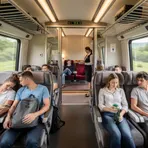 4
3.2
4
3.2
Cheaper seats or rooms on transport with fewer services than first class
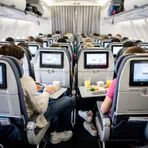 3
2.0
3
2.0
The cheapest seats on a plane, train, or ship with basic services

A cheaper travel class on a ship, train, or plane than first class
Antonyms

How Comfortable

Surface Forms
Morphology
The meaning 'the least expensive accommodations' is directly inferable from combining 'tourist' (a person who visits for enjoyment) with 'class' (a category or level) — i.e., the category intended for tourists, typically basic and cheaper. This noun-noun compositional pattern is common cross-linguistically and follows regular English compounding, so a B1 learner who knows both constituents would generally understand it.
Etymology
Tourist class comes from old ships and trains that divided passengers into different classes. The cheaper section was for ordinary travelers called tourists, with simple seats and few extras, so the phrase now means 'the least expensive accommodations'.