

to take wing
 3
5.8
3
5.8

- phrasal verb
- /teɪk wɪŋ/
- Literature
- Sunlight glinted off the gentle waves, the beach sparkled like snow, and a flock of seabirds took wing at the sound of our approach and circled around our landing site almost like an invitation.
- birds take wing
- flock of seabirds took wing
- ready to take wing
Examples
-
The eagle took wing from the cliff edge, gliding effortlessly towards the horizon.
-
Eric turns back to the bird, which takes wing in the rain. His eyes follow it.
Fiction book (1994) -
"We most certainly can," Amy replied as her heart took wing.
Fiction book (1991) -
Across the nation and the globe pigeons are taking wing in a fight for freedom.
-
At his approach, a grey heron took wing and thrashed its way powerfully aloft.
Fiction book (1996) -
Pigeons take wing as Rath sees the rifle twist up, firing wildly into the sky.
Fiction book (1995) -
As the sun began to rise, the flock of geese took wing and soared into the sky.
-
After months of planning, her new business finally took wing and started to grow.
Synonyms
 478
1.9
478
1.9
To leave the ground and begin to fly
 38
4.2
38
4.2
Start a project or business successfully so it begins to work
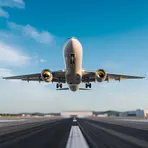 4
4.6
4
4.6
To begin flying and rise into the sky

Begin something very quickly and with a lot of energy
Antonyms
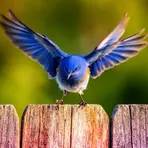

How High

Surface Forms
Morphology
take + wing
The meaning 'to begin to fly / take off' follows directly from combining 'take' (assume, begin) with 'wing' (the flight organ), so a learner who knows both words can infer the action of starting to fly. The figurative extension ('to begin in earnest') is a natural metaphorical transfer of the literal sense and is cross-linguistically common, supporting a transparent rating.
Etymology
Take wing comes from the image of a bird spreading its wings and lifting off into the air. That's why when something 'takes wing' today it means 'to begin to fly' or 'to start'.