
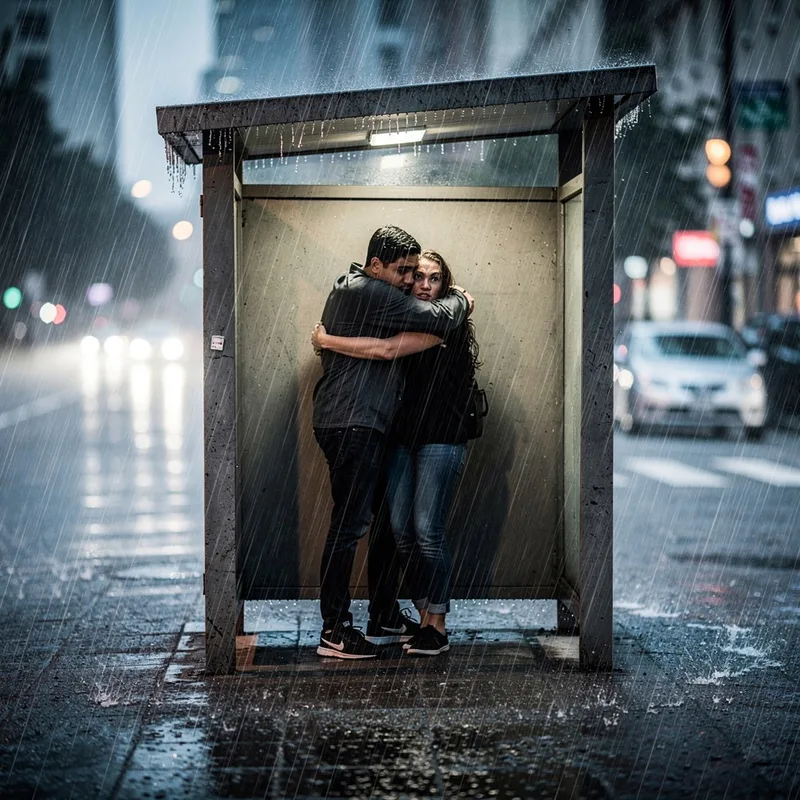
to take cover
 69
3.4
69
3.4

- phrasal verb
- /teɪk ˈkʌvər/
- When the storm began, everyone was told to take cover inside the building.
- take cover in shelters
- take cover inside
- take cover immediately
Loading YouTube…
Watch on YouTubeAnd, and I mean, all he can do is just take cover.
- And, and I mean, all he can do is just take cover.
- And if you are avoiding a blast wave, you have just seconds to try to take cover rather than hold out your thumb and check a nuclear bomb like a dingus.
- You know how to take cover, you know how to conceal yourself, you know how to change out a magazine when your pistol goes dry.
Examples
-
Astrid Solorzano and a friend took cover against a bench as people ran from the location.
Blog text (25) -
You need to take cover right now!
-
We may have to take cover.
-
Police officers are told to take cover and give themselves a minute to think.
Blog text (2) -
Eventually, you know, the three of us, we take cover in this empty house.
-
The people were gone; they must have taken cover in the woods to the west.
Fiction book (1990) -
Residents are advised to take cover for one hour, but there does not appear to be any particular rush.
Academic text (2016) -
HANNAH: We need to take cover now.
-
People, take cover!
-
Riggs and Murtaugh bail out and take cover behind the wheels.
Fiction book (1998)
Synonyms
 16
7.5
16
7.5
To stay in one safe place and wait until danger passes
 15
2.9
15
2.9
To move to a safe place to escape danger or bad weather
 6
3.5
6
3.5
To get to a safe place to escape danger
Antonyms


How Safe

Surface Forms
Morphology
The meaning 'to move to a place where you are protected' is directly derivable from combining 'take' (to get or move to) with 'cover' (shelter or concealment); the phrase essentially means 'take shelter'. This verb + noun collocation follows a common compositional pattern found across languages, so an average B1 learner who knows both constituents will readily infer the meaning.
Etymology
Take cover comes from the simple image of someone taking cover, for example moving behind a car or into a shelter to avoid danger or bad weather. That's why it means 'to move to a place where you are protected'.