
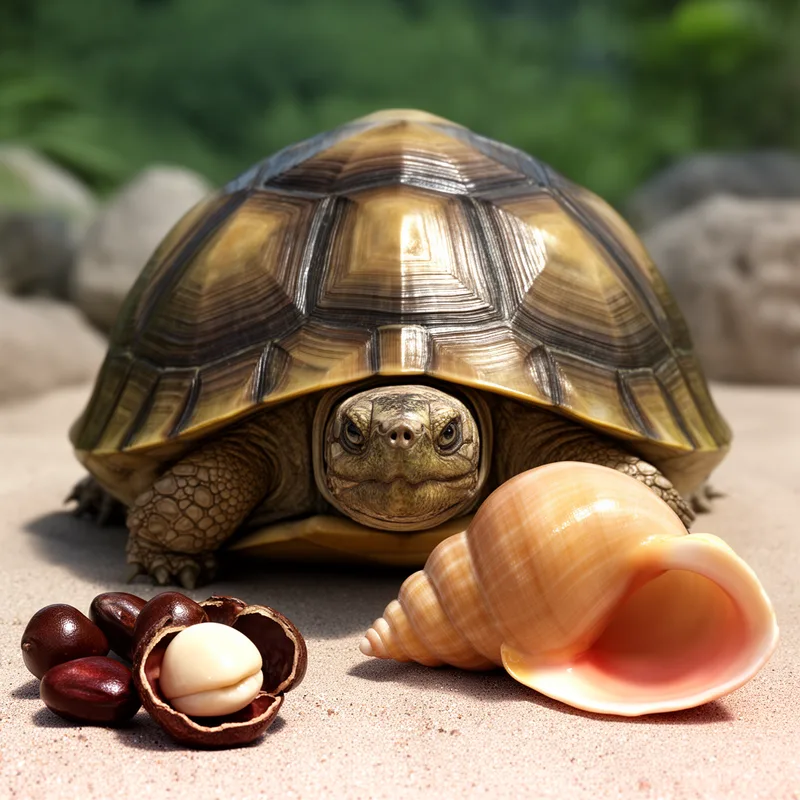
testaceous
- adjective
- /tɛˈsteɪʃəs/
- Specialized
 :
testáceo
:
testáceo
- Turtles are testaceous creatures, protected by their distinctive shells.
Examples
-
The testaceous structure of the turtle protects it from predators.
-
Look at the testaceous shell I found on the beach!
-
Some mollusks possess a testaceous structure that separates them from other soft-bodied animals.
-
The biologist described several testaceous seeds she found in the tropical rainforest.
-
Some mollusks possess a testaceous structure that separates them from other soft-bodied animals.
-
Turtles are testaceous creatures, protected by their distinctive shells.
-
The biologist described several testaceous seeds she found in the tropical rainforest.
Synonyms


 1
3.6
1
3.6
Having a hard outer covering that protects what is inside, like a crab or nut
 1
1.9
1
1.9
Having a hard outer covering like a crab or nut
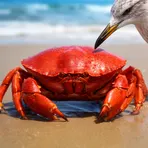
Having a hard outer shell like a crab or lobster
Surface Forms
Morphology
Etymology
Testaceous comes from the Latin testa, which means 'shell' or 'piece of broken pot', and was used for hard outer things like a turtle's shell. So, to call an animal or seed testaceous is to say it has a hard shell or outer coat for protection.