
testa
 1
9.9
1
9.9

- noun
- /ˈtɛstə/
- Specialized
- Double-green varieties have the gc gene and a gene called green testa (gt).
Examples
-
A priest friend from Steubenville, Fr. Dave Testa, always used to say, "You shouldn't be worried about what the priest is going to think of you when you tell him what you did."
Blog text (4) -
Chicago documenting the creation of one of modern Chicago's most iconic dishes, Girl & the Goat's famous "roasted pig face," which is a classic Italian head cheese, testa, served with an egg and a few other things.
Blog text (3) -
What a testa dura I am.
-
It was that testa dura, Nino.
-
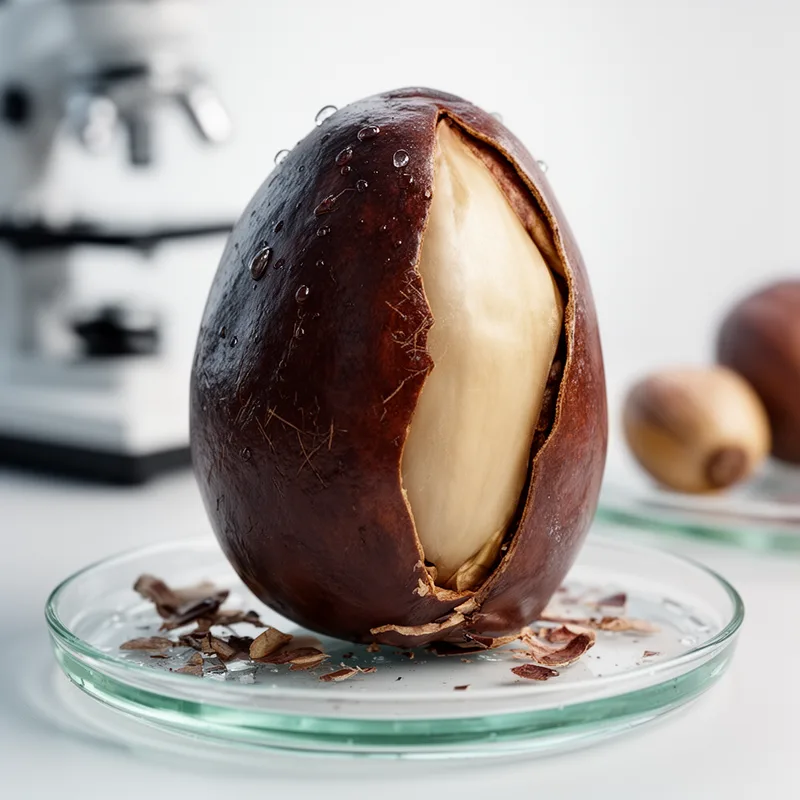
The testa protects the seed from environmental hazards until it is ready to germinate.
-
In botany, the testa refers to the seed coat that offers protection during the early stages of a plant's life.
-
When examining seeds under a microscope, the testa is often observed as a tough, outer layer.
Synonyms

An outer covering of a seed that protects the young plant inside

The outer covering of a seed that protects the young plant inside

A thin layer that covers and protects a seed or an insect's front wing
Surface Forms
Etymology
Testa comes from the Latin word testa, which meant 'shell' or 'pot'. Think of a seed wearing a small 'shell' or pot to protect its inside, which is why testa means the seed's outer covering.