

suppressive fire
 1
7.8
1
7.8

- noun
- /səˈprɛsɪv faɪər/
- Specialized
- During the attack, the troops provided suppressive fire to disrupt the enemy's defenses and allow for a safe retreat.
- lay down suppressive fire
- provide suppressive fire
Loading YouTube…
Watch on YouTubeYou're laying down suppressive fire so I can move.
- You're laying down suppressive fire so I can move.
Examples
-
I'll lay down suppressive fire so you can do it.
-
Wizza, help me lay down some suppressive fire.
-
You're laying down suppressive fire so I can move.
-
The soldiers laid down suppressive fire to protect their comrades advancing on the enemy position.
-
As the team coordinated their maneuvers, they called for suppressive fire to keep the enemy pinned down.
Synonyms
 3
7.7
3
7.7
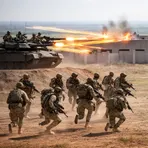
Intense gunfire aimed near an enemy to keep them from shooting back while friendly troops move
 1
7.0
1
7.0
Gunfire by other soldiers or tanks that protects attacking soldiers from the enemy

Shooting at a place to stop the enemy using it without destroying it
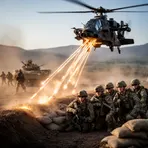
Gunfire aimed near friendly troops to protect them from immediate enemy threats

Weapons fired into an area to stop enemy troops moving through it
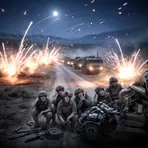
Shots from guns or artillery that disturb, tire, and stop enemy soldiers from moving
How Suppressive
- Specialized
14
7.6

- Jargon
- Specialized
1
7.8
- Specialized
Surface Forms
Morphology
The meaning is directly and transparently derived from combining 'suppressive' (capable of inhibiting or controlling) with 'fire' (gunfire): it denotes gunfire intended to suppress an enemy. This adjectival+noun composition is compositional and cross-linguistically accessible, so a B1 learner who knows both constituents can reliably infer the intended military sense.
Etymology
Suppressive fire comes from the simple image of guns firing constantly at an enemy so the enemy keeps their heads down and cannot move. The word suppressive means 'keep down' and fire means shooting, so the phrase came to mean shooting to 'stop' or 'limit' the enemy's actions.