
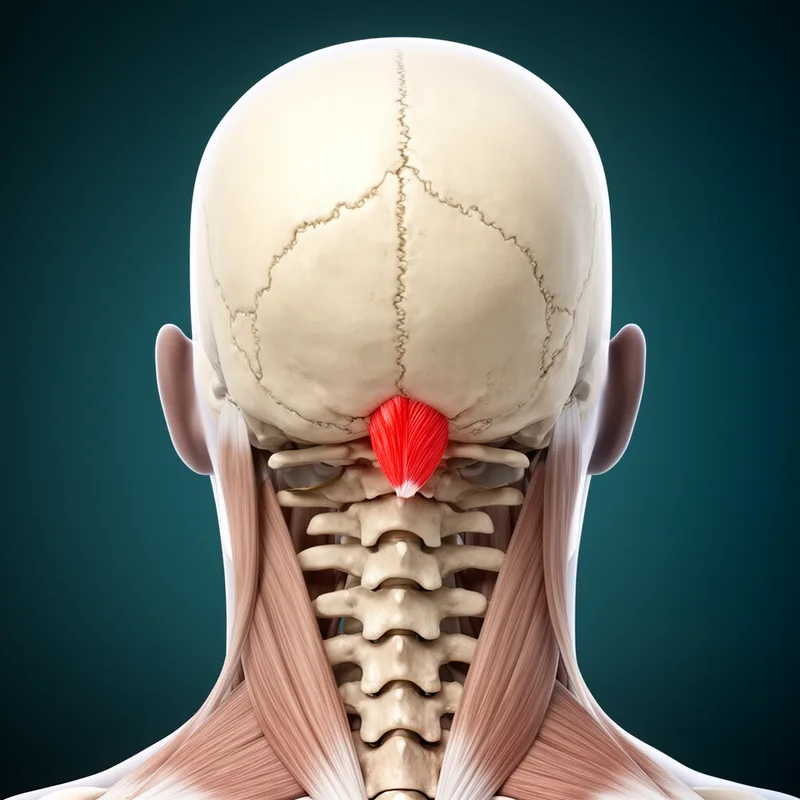
suboccipital
- noun
- /ˌsʌb.ɒkˈsɪp.ɪ.təl/
- Specialized
- And just look up and down and you'll feel those muscles, those called suboccipital muscles engaging, right?
Examples
-
A 38-year-old woman presented with persistent fever, neck pain, focal tenderness in the left suboccipital area, left otalgia, and photophobia.
Academic text (2009) -
Whether we use the suboccipital or the translabyrinthine approach, after the tumor has been exposed by standard means, the laser is brought into the field.
Academic text (1995) -
She also reported the development of a small, tender suboccipital swelling at the same time.
Academic text (2006) -
The skin and soft tissues are reflected from the mastoid and from the suboccipital for a distance of 2 cm posterior to the sigmoid sinus.
Academic text (1996) -
The therapist pointed out the tension in my suboccipital muscles during the neck massage.
-
He experienced pain in his suboccipital region after sitting for too long.
-
She stretched her neck to relieve tightness in the suboccipital muscles beneath her skull.
Synonyms
A small part under the base of the skull that helps move and hold the head
Compounds
- Specialized
A small part under the base of the skull that helps move and hold the head

- Specialized
The area at the lower back of the head under the base of the skull
Surface Forms
Morphology
Etymology
As a noun, suboccipital names the small muscles under the back of the skull; sub- means 'under' and occipital means the 'back of the head'. These muscles are called suboccipital because they sit just below the skull and help move and support the head.

