

stem blight
- noun
- /stɛm blaɪt/
- Specialized
- The tomato crop was devastated by stem blight after several weeks of heavy rain.
Examples
-
Proper spacing between plants can help prevent the spread of stem blight.
-
Farmers are advised to check their beans regularly for signs of stem blight.
-
The farmer discovered stem blight in his crops.
-
Many plants can suffer from stem blight if not treated.
-
Farmers are advised to check their beans regularly for signs of stem blight.
-
Proper spacing between plants can help prevent the spread of stem blight.
-
The tomato crop was devastated by stem blight after several weeks of heavy rain.
Synonyms
 7
7.3
7
7.3

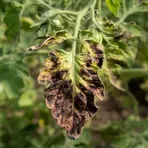
A plant disease that makes leaves and stems die without rotting

A disease that kills the stems of berry bushes and reduces the harvest
How Severe
- Specialized
3
6.3

- Specialized
1
5.0
- Specialized
- Specialized
- Specialized
1
6.7
Surface Forms
Morphology
The MWE's meaning is directly compositionally derived from 'stem' (the plant stalk) + 'blight' (a plant disease causing withering), so the phrase straightforwardly denotes a disease affecting stems. This literal noun+noun compound is a common, cross-linguistic plant-disease construction, so an average B1 learner who knows the constituents will readily infer the meaning.
Etymology
The compound noun stem blight comes from farming: when a fungus attacks the plant stem, it makes the stem turn brown and 'rot', and the plant often 'dies'. So, stem blight means a disease that damages and kills plant stems.