

to sleep a wink
 9
5.7
9
5.7

- idiom
- Informal
- I didn't sleep a wink last night.
- I hardly slept a wink
- I barely slept a wink
- slept a wink last
Loading YouTube…
Watch on YouTubeHe said didn't sleep a wink, not a drop in me.
- He said didn't sleep a wink, not a drop in me.
- She'll be like, I haven't slept a wink since this JERK was an office.
Examples
-
He didn't sleep a wink last night.
-
" I cannot sleep a wink!
Fiction book (1998) -
We'll never sleep a wink here.
-
You really didn't sleep a wink, did you?
-
I couldn't sleep a wink last night.
-
We got in last night; we couldn't sleep a wink.
Fiction book (1999) -
And I don't think I slept a wink that night.
-
Did I mention we hadn't slept a wink in days?
-
I don't think he slept a wink last night; you were so much on his mind.
Fiction book (1990) -
I didn't sleep a wink last night because of the loud music.
Synonyms
 43
2.3
43
2.3
To sleep lightly for a short time without meaning to
 22
3.7
22
3.7
To stay in bed and not be able to sleep
 15
3.8
15
3.8
To sleep lightly or peacefully
 12
4.1
12
4.1
To fall asleep for a short time without meaning to
 8
5.0
8
5.0
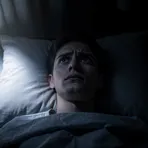
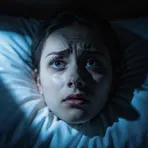
Not sleep at all during the night
 7
2.1
7
2.1
To sleep lightly for a short time, often during the day
 2
7.9
2
7.9
To sleep to get some rest
 2
6.1
2
6.1
To be half asleep for a short time


 1
5.5
1
5.5
To sleep for a short time, often during the day
 1
7.6
1
7.6
To fall asleep suddenly because you are very tired
Surface Forms
Morphology
The parts are partly compositional: 'sleep' + 'wink' (a very short time) suggests sleeping for a very short period, so a learner who knows the words can form a plausible interpretation. However, the idiomatic use—especially in the negative ('didn't sleep a wink')—means 'not sleep at all', which is not fully predictable from the constituents, so it can mislead B1 learners and requires some exposure.
Etymology
Sleep a wink comes from the old use of wink to mean a quick blink or a very short rest, so people pictured sleep as something tiny like a 'wink'. So, saying you didn't sleep a wink means you did not get 'any sleep at all'.