
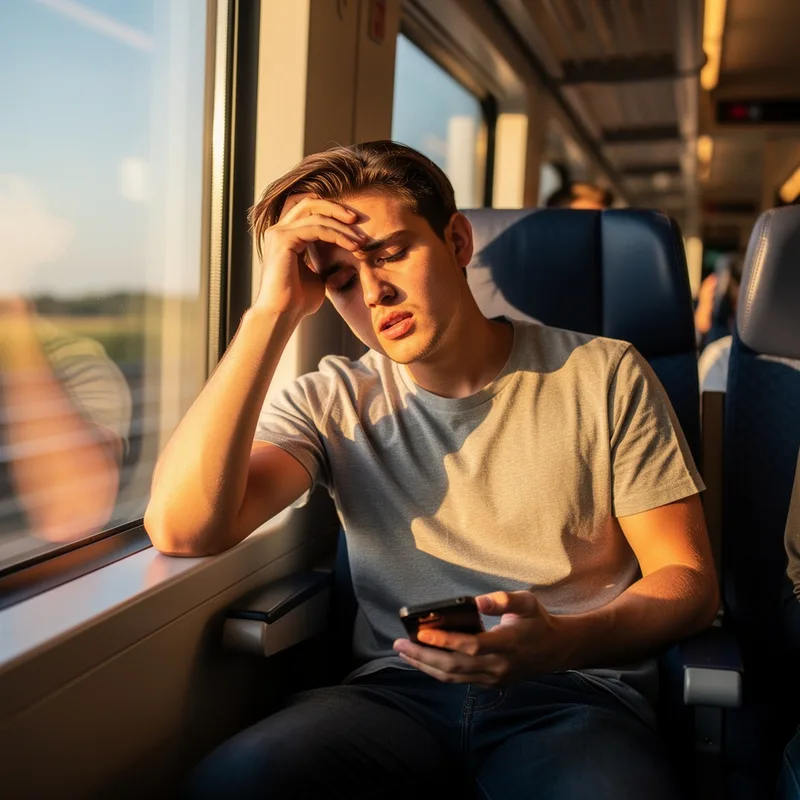
to drowse
 2
6.1
2
6.1

- verb
- /draʊz/
- After a long day, I sat on the couch and began to drowse for a few minutes.
- began to drowse
- drowsed again
- drowsed and woke
Examples
-
Through spring and summer, he drowsed on the doorstep.
Fiction book (1990) -
Living in these insular, mostly Jewish towns was like being suspended on a raft above still water, drowsing on a hot day.
Academic text (2008) -
I turned back again toward the window and began to drowse.
Fiction book (1997) -
Fidel, beginning to drowse, hears the whistle again.
Fiction book (1996) -
A messenger boy sat drowsing at the desk, his head cradled in his arms.
Fiction book (1992) -
Tray lay at her feet, rump turned to the heat of the stove, drowsing.
Fiction book (1995) -
By afternoon, the aisles are nearly empty and the sellers drowse in their stalls, complaining of boredom.
Academic text (1990) -
Then I got beneath the blue-sprigged quilt and drowsed off quickly.
Fiction book (1990) -
Shang drowses in the boat, fighting fatigue, then succumbing to it.
Fiction book (2002) -
I stole a look down the length of the mews, where the hawks drowsed on their perches.
Fiction book (1993)
Synonyms
 43
2.3
43
2.3
To sleep lightly for a short time without meaning to
 35
2.7
35
2.7
To fall asleep for a short time without meaning to
 23
3.8
23
3.8
To slowly fall asleep without meaning to
 23
1.0
23
1.0
To sleep for a short time during the day
 15
3.8
15
3.8
To sleep lightly or peacefully
 12
4.1
12
4.1
To fall asleep for a short time without meaning to
 7
2.1
7
2.1
To sleep lightly for a short time, often during the day
 5
3.0
5
3.0
To fall asleep for a short time, often without meaning to
 2
7.9
2
7.9
To fall asleep by accident because you are very tired
 1
4.4
1
4.4
To sleep for a short time during the day not in bed


 1
7.6
1
7.6
To fall asleep suddenly because you are very tired
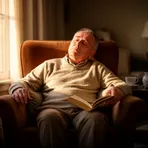
Feeling half asleep and relaxed while sitting or resting

To begin to fall asleep without meaning to
Antonyms


Phrasal Verbs
How Sleepy

Surface Forms
Etymology
Drowse comes from an old English word meaning 'to be sleepy' and is related to the common words doze and drowsy. So to drowse is to sleep lightly or be half asleep.