

pyrolysis
 1
9.9
1
9.9

- noun
- /paɪˈrɒlɪsɪs/
- Specialized
- Carbon monoxide is the main constituent in the biomass pyrolysis gas, which is approximately 68%.
- pyrolysis chamber
Examples
-
Pyrolysis involves heating without oxidation to break down organic molecules into a gas that is then oxidized.
Academic text (1995) -
We have now come to the end of the topic, which is concerned with the products of the pyrolysis of wood.
-
Solid residue from the destruction process is removed at the bottom of the pyrolysis chamber.
Academic text (1995) -
The box of medical waste falls onto a ceramic ledge inside the pyrolysis chamber.
Academic text (1995) -
Pyrolysis and gasification products are used in either direct combustion or secondary fuel and chemical synthesis.
Academic text (2018) -
When created by pyrolysis, the by-products are tar (bio-oil) and syngas.
Blog text (28) -
The process of pyrolysis breaks down plastic waste into usable fuels and raw materials.
-
During pyrolysis, organic matter decomposes into gas, oil, and charcoal when subjected to high temperatures.
-
Scientists study pyrolysis as a method to convert biomass into biofuels in an environmentally friendly way.
Synonyms
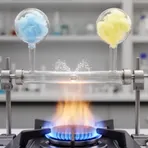
Breaking a material into simpler parts using heat
How Decomposed


Surface Forms
Morphology
Etymology
Pyrolysis comes from the Greek parts pyro- ('fire') and -lysis ('breaking down'), and the -lysis part is the same root in analysis, which also means 'a breaking down'. So pyrolysis literally means 'breaking down by fire', which is why it describes a material being chemically split by high heat.