

pteroylmonoglutamic acid
- noun
- /ˌtɛroʊɪlˌmɒnəˈɡluːtəmɪk ˈæsɪd/
- Specialized
 :
ácido pteroylmonoglutámico
:
ácido pteroylmonoglutámico
- Pregnant women are advised to take pteroylmonoglutamic acid supplements to prevent birth defects.
Examples
-
Food fortification with pteroylmonoglutamic acid has helped reduce neural tube defects in newborns.
-
A deficiency in pteroylmonoglutamic acid can lead to anemia and other health issues.
-
Pteroylmonoglutamic acid is crucial for DNA synthesis.
-
Many vegetables are rich in pteroylmonoglutamic acid.
-
A deficiency in pteroylmonoglutamic acid can lead to anemia and other health issues.
-
Food fortification with pteroylmonoglutamic acid has helped reduce neural tube defects in newborns.
-
Pregnant women are advised to take pteroylmonoglutamic acid supplements to prevent birth defects.
Synonyms

 7
3.0
7
3.0

A B vitamin that helps the body make new cells and prevents birth defects in early pregnancy
 5
3.6
5
3.6
A B vitamin that helps the body make new cells and is in leafy greens


 1
6.8
1
6.8
A B vitamin that helps the body make new cells and blood

A B vitamin needed for cells to grow and make new cells
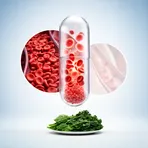
A vitamin needed for making new cells and preventing anemia

A substance your body needs to make new cells, especially during pregnancy
Surface Forms
Morphology
pteroylmonoglutamic + acid
The compound contains the opaque technical element 'pteroylmonoglutamic', which is not a recognisable English word or transparent morpheme for a B1 learner; only 'acid' would signal the general class. Because the core lexical information is specialized chemical nomenclature (essentially a name for folic acid) the specific meaning cannot be derived from the constituents by an average B1 learner.
Etymology
Pteroylmonoglutamic acid is the scientific name for the vitamin we call 'folic acid'. The long name may come from its parts: ptero meaning 'wing', mono meaning 'one' and glutamic acid, so you can picture a single 'wing' on a glutamate to help remember this particular form of vitamin B that helps cells grow and divide.