

folacin


 1
6.8
1
6.8
- noun
- /ˈfoʊləsɪn/
- Specialized
- A diet rich in folacin can improve overall health.
- folacin and vitamins
Examples
-
Pregnant women are often advised to ensure they get enough folacin for fetal development.
-
A deficiency of folacin can cause anemia and other health problems.
-
Leafy green vegetables are a good dietary source of folacin.
-
Many prenatal vitamins contain folacin to support fetal development.
-
Many vegetables are high in folacin.
-
Spinach is an excellent source of folacin and essential nutrients.
-
Including beans in your diet can significantly boost your intake of folacin.
Synonyms
 7
3.0
7
3.0
A B vitamin that helps the body make new cells and prevents birth defects in early pregnancy
 5
3.6
5
3.6
A B vitamin that helps the body make new cells and is in leafy greens

A B vitamin needed for cells to grow and make new cells

A B vitamin, also called folic acid, needed for cells to grow and make new cells

A substance your body needs to make new cells, especially during pregnancy
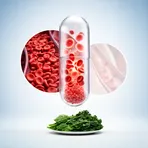
A vitamin needed for making new cells and preventing anemia
Surface Forms
Morphology
folacin = folic (semi-transparent) = folic + in
The relation to 'folic' (as in folic acid) plus the chemical suffix '-in' is clear to those who know the biomedical term 'folic acid', but not transparent to general learners unfamiliar with that term.
Etymology
Folacin comes from the Latin root folium, which means 'leaf', and it shares the same root as folate and the English word foliage. Scientists found this vitamin in leafy green plants, so the name links 'leaf' to a B vitamin that helps cells grow and reproduce.