

pteridosperm
- noun
- /ˈtɛrɪdəˌspɜrm/
- Specialized
- The pteridosperm thrived during the late Paleozoic era.
Examples
-
Scientists believe that pteridosperms were widespread during the Paleozoic era.
-
Fossils of pteridosperms provide important clues about the early evolution of seed plants.
-
The discovery of a new pteridosperm species shed light on ancient terrestrial ecosystems.
-
Many pteridosperms were found in the fossil record.
-
During the late Paleozoic era, pteridosperms thrived in lush environments, producing seeds that contributed to plant evolution.
-
Pteridosperms were among the earliest plants to reproduce with seeds, marking a significant advancement in plant reproduction.
-
Fossils of pteridosperms show that these ancient seed plants had characteristics similar to modern ferns.
Synonyms
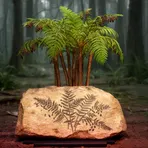
A group of extinct plants like ferns but with seeds known from fossils
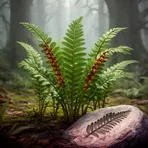
A group of extinct plants with seeds and fern-like leaves
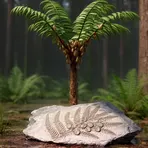
Extinct seed plants with fern-like leaves from long ago

Plants that looked like ferns but made seeds long ago

A group of ancient seed plants called seed ferns from the Devonian period
Surface Forms
Morphology
Etymology
Pteridosperm comes from Greek words pteris ('fern') and sperma ('seed'), so it literally means 'fern-seed'. That's an easy way to remember that a pteridosperm was a fernlike plant that made seeds and was one of the earliest seed plants, now extinct.

