

Pteridospermaphyta
- noun
- /ˌtɛrɪˌdoʊspərˈmæfaɪtə/
- Specialized
- Fossils of Pteridospermaphyta provide important evidence of early seed plant evolution.
Examples
-
The Pteridospermaphyta were dominant during the late Paleozoic era.
-
Scientists debate the classification of Pteridospermaphyta within gymnosperms.
-
The Pteridospermaphyta were dominant during the late Paleozoic era.
-
Many fossils of Pteridospermaphyta have been discovered in North America.
-
Fossils of Pteridospermaphyta provide important evidence of early seed plant evolution.
-
Many fossils of Pteridospermaphyta have been discovered in North America.
-
Scientists debate the classification of Pteridospermaphyta within gymnosperms.
Synonyms
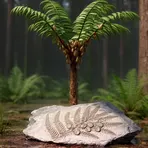
Extinct seed plants with fern-like leaves from long ago
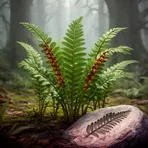
A group of extinct plants with seeds and fern-like leaves

Plants that looked like ferns but made seeds long ago

A group of ancient seed plants called seed ferns from the Devonian period
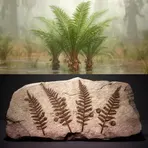
A group of extinct seed plants like ferns that lived a very long time ago
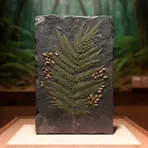
A long-dead plant that makes seeds and looks like a fern
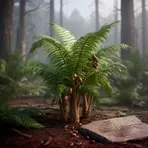
A group of extinct seed plants with leaves like ferns that lived long ago
Surface Forms
Morphology
Pteridospermaphyta = pteridosperm (opaque) = pterido + sperma + phyta
The formation uses specialised Greek combining forms common in scientific taxonomy and is not derivable by an average B1 learner from the component parts.
Etymology
Pteridospermaphyta comes from old Greek parts: pterido- 'fern', sperma 'seed', and phyta 'plants'. So the name means 'seed ferns', a helpful image because these extinct plants made seeds but looked like ferns.

