

group Pteridospermae
- noun
- Archaic
- Fossils belonging to the group Pteridospermae are crucial for understanding the evolution of seed plants.
Examples
-
The extinction of the group Pteridospermae marked a major change in plant diversity during the late Paleozoic era.
-
Many paleobotanists have studied the group Pteridospermae for clues about prehistoric flora.
-
The group Pteridospermae includes many fascinating species.
-
Did you know that the group Pteridospermae was once widespread?
-
Fossils belonging to the group Pteridospermae are crucial for understanding the evolution of seed plants.
-
Many paleobotanists have studied the group Pteridospermae for clues about prehistoric flora.
-
The extinction of the group Pteridospermae marked a major change in plant diversity during the late Paleozoic era.
Synonyms

A group of extinct plants like ferns but with seeds known from fossils
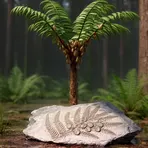
Extinct seed plants with fern-like leaves from long ago

Plants that looked like ferns but made seeds long ago
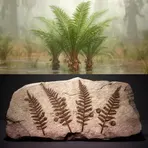
A group of extinct seed plants like ferns that lived a very long time ago

A group of ancient seed plants called seed ferns from the Devonian period
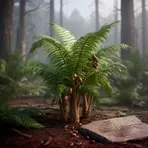
A group of extinct seed plants with leaves like ferns that lived long ago
Surface Forms
Morphology
The phrase is compositionally built from 'group' (a set of things) plus the taxonomic name 'Pteridospermae' meaning extinct seed-bearing plants, so the meaning 'a group of Pteridospermae' is directly derivable. The syntactic pattern 'group + noun' is cross-linguistically common and follows standard noun modification, making it transparent to a learner who knows both constituents.
Etymology
Group Pteridospermae takes its name from old Greek: pterido- meaning 'fern' and -spermae meaning 'seeds', because these fossil plants had fern-like leaves but made seeds. So the name helps you remember they were a group of extinct 'seed ferns'.

