
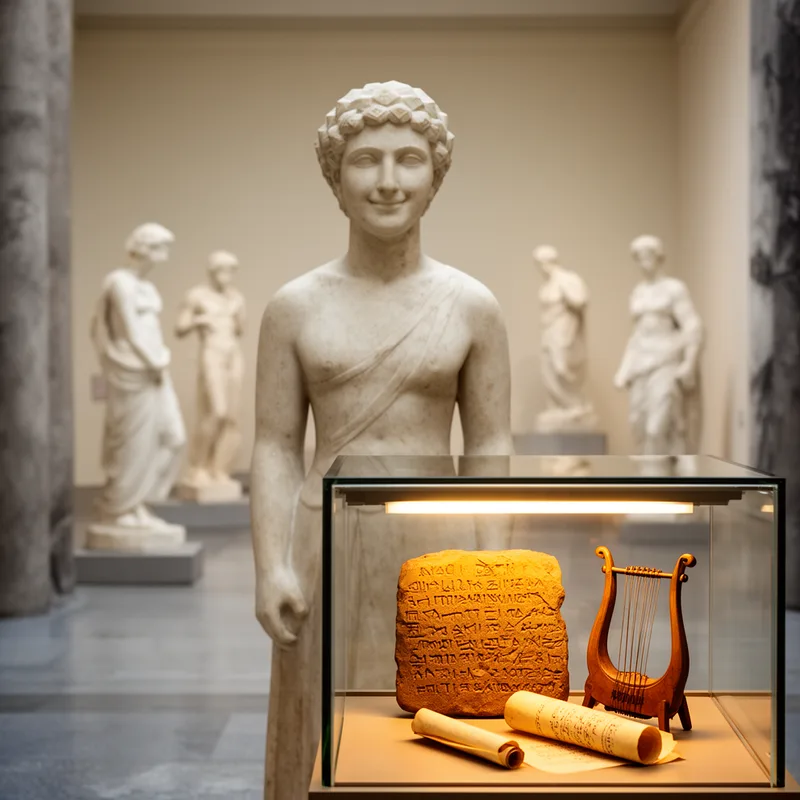
preclassical
- adjective
- /priːˈklæsɪkəl/
- Specialized
- Its preclassical radicalism must have startled its contemporary viewers, all the more so because it was accompanied by two major technical innovations: a spectacular enhancement of optical and tactile effects and an unprecedented narrative structure.
Examples
-
Rolf Kuehni's Color Space and Its Divisions is an inclusive mosaic of the history of color-order systems; that is, useful arrangements of color, from the time of the preclassical Greeks to the present.
Academic text (2003) -
The preclassical era laid the groundwork for the artistic movements that followed in the renaissance.
-
Many of the pottery styles from ancient cultures show influences from preclassical design traditions.
-
In studying literature, the preclassical works often reflect societal norms that differed greatly from modern times.
Synonyms
About the time before a culture's classical period
How Early
 47
5.2
47
5.2

 34
9.9
34
9.9
- Specialized
123
3.8
- Specialized
Surface Forms
Morphology
Etymology
The word preclassical is made of pre- meaning 'before' and classical meaning the well-known 'classical' era or style, so it describes art, music, or writing that comes before that period. A helpful way to remember pre- is to see it in common words like preview or preheat, where it also means 'before'.