
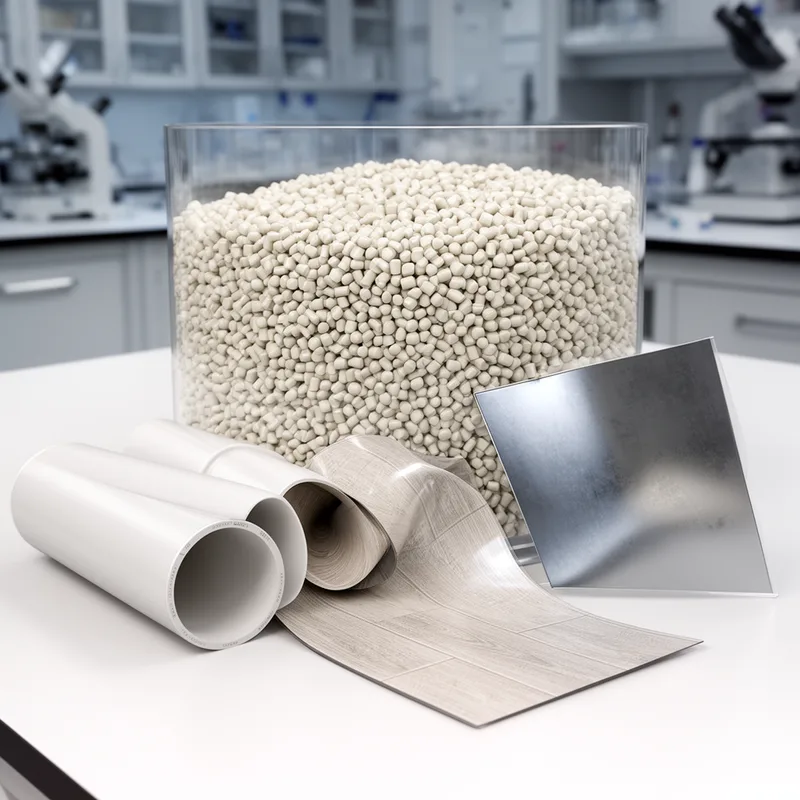
polyvinyl resin
- noun
- /ˌpɒliˈvaɪnɪl ˈrɛzɪn/
- Specialized
- Many household items, such as pipes and vinyl flooring, are made from polyvinyl resin.
Examples
-
Scientists are developing new biodegradable alternatives to polyvinyl resin for more sustainable packaging.
-
The manufacturer switched to polyvinyl resin for its improved durability and flexibility.
-
The new product is made from polyvinyl resin.
-
Many manufacturers use polyvinyl resins for durable coatings.
-
Many household items, such as pipes and vinyl flooring, are made from polyvinyl resin.
-
Scientists are developing new biodegradable alternatives to polyvinyl resin for more sustainable packaging.
-
The manufacturer switched to polyvinyl resin for its improved durability and flexibility.
Synonyms

 26
4.4
26
4.4

A thick sticky substance from plants or made by people for glue and plastic

A plastic material used to make paints and flexible, water resistant products
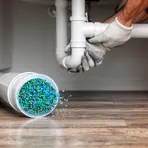
A strong plastic made from many small chemical parts often used for pipes and floors
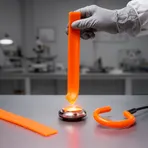
A man-made material that becomes soft when heated and hard when cooled so it can be reshaped many times
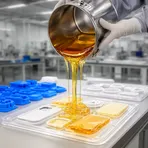
A man-made sticky material used to make plastics
Surface Forms
Morphology
This is a straightforward adjective+noun combination where 'polyvinyl' specifies the chemical composition of the material and 'resin' names the sticky/plastic substance; a learner who knows both constituent meanings can infer it is a resin made from polyvinyl. The construction is compositional and follows normal modifier+noun patterns (common cross-linguistically), so its meaning is directly derivable rather than idiomatic.
Etymology
Polyvinyl resin comes from its parts: poly- meaning 'many', vinyl a name for a small building block used to make plastics, and resin meaning a sticky material like plastic. So the name gives a simple image of many vinyl pieces joined into a resin, which is why it refers to the strong plastic used for pipes, flooring, and coatings.