
pneumococcus


 1
9.6
1
9.6
- noun
- /njuˈmoʊkəs/
- Specialized
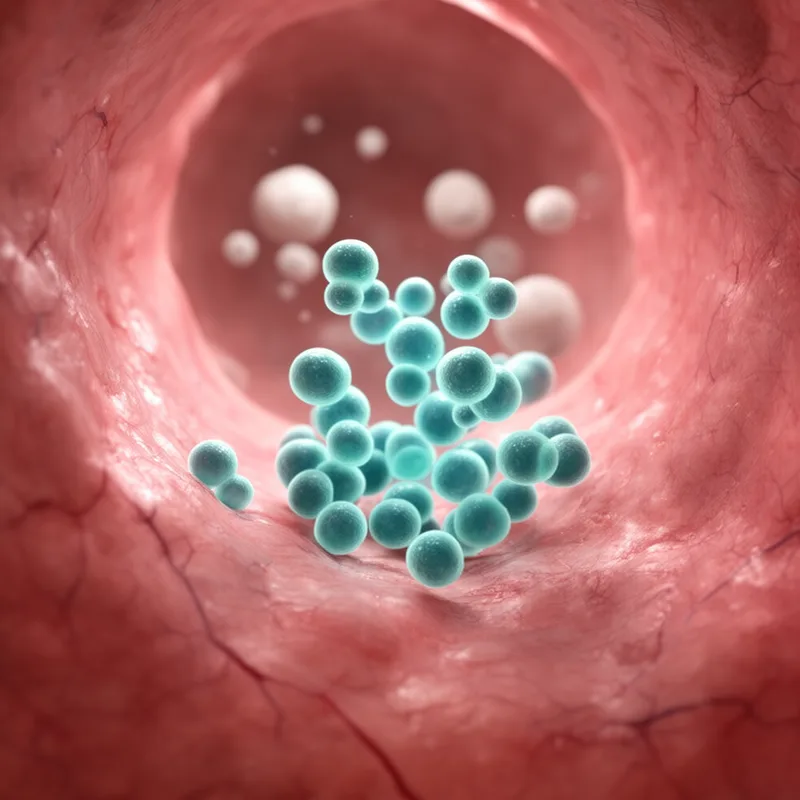
- And as they show here, pneumococcus can cause some really nasty infections, most notably meningitis and pneumonia, an infection of the air sacs of the lungs.
- pneumococcus bacteria
Examples
-
However, children are considered the main carriers of pneumococcus and influenza, and the indirect effects of adults’ immunization are not clear.
Academic text (2016) -
Meningitis is also caused by viruses and other bacteria, notably Haemophilus influenzae (Hib) and the pneumococcus (Streptococcus pneumoniae).
Academic text (2011) -
By contrast, there were strains of pneumococcus that were rough.
-
There is a vaccine for pneumococcus that they typically give to old and/or immuno-compromised people at the same time they give the flu vaccine.
Blog text (4) -
Streptococcus pneumoniae, or pneumococcus, causes an estimated 4 million illnesses in the United States annually (1).
Academic text (2012) -
Mrs. A should discuss her travel plans with her respiratory consultant (if she is under specialist care) and ensure that all her routine vaccinations for people with chronic respiratory conditions (e.g., pneumococcus) are up to date.
Academic text (2012) -
Patients may have impaired immunity (hyposplenism) and should be considered for vaccination against pneumococcus, influenza, and Haemophilus influenzae type B.
Academic text (2014) -
Pneumococcus (Streptococcus pneumoniae) is a leading cause of pneumococcus and can lead to severe respiratory illness.
-
Doctors are concerned about the rise of drug-resistant strains of pneumococcus that complicate treatment options.
-
Vaccination against pneumococcus is recommended to prevent serious infections like pneumonia and meningitis.
Synonyms

A bacterium now called Streptococcus pneumoniae that causes pneumonia in people and mice

A short name for a germ that causes pneumonia and other lung infections
Surface Forms
Morphology
Etymology
The word pneumococcus comes from Greek parts pneumo- meaning 'lung' and -coccus meaning 'berry'. So a pneumococcus is a 'round, berry-like' germ that attacks the lungs, which is why it causes pneumonia.