
Diplococcus pneumoniae
- noun
- /ˌdɪpləˈkɒkəs nuːˈmoʊniˌeɪ/
- Archaic
- Pneumonia caused by Diplococcus pneumoniae was once a major health concern before the introduction of antibiotics.
Examples
-
The bacterium Diplococcus pneumoniae is responsible for causing pneumonia.
-
Pneumonia caused by Diplococcus pneumoniae can lead to severe respiratory issues if left untreated.
-
Early studies on Diplococcus pneumoniae provided key insights into the genetic mechanisms of transformation.
-
The discovery of Diplococcus pneumoniae significantly advanced the understanding of bacterial diseases.
-
Researchers have studied Diplococcus pneumoniae for decades.
-
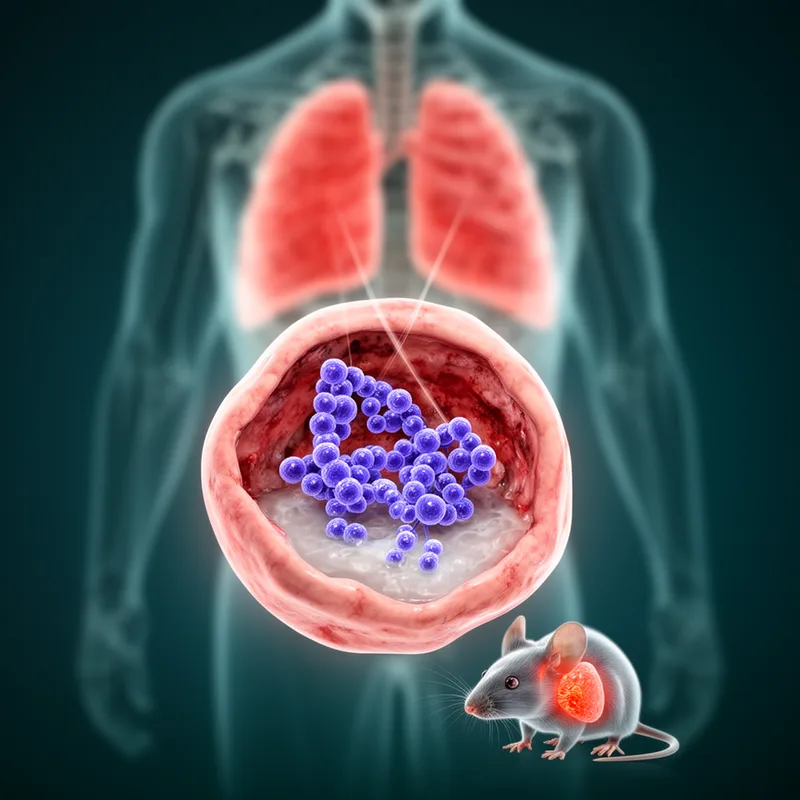
The bacterium Diplococcus pneumoniae is known for its role in pneumonia development in both humans and mice.
-
Studies have shown that Diplococcus pneumoniae can be particularly dangerous for individuals with weakened immune systems.
Synonyms


 1
9.6
1
9.6
A round germ that causes lung infections and other illnesses

A short name for a germ that causes pneumonia and other lung infections
Surface Forms
Morphology
The name is compositionally built from 'Diplococcus' (paired spherical bacteria) and 'pneumoniae' (of/related to pneumonia), so a learner who knows both constituents can infer this refers to a bacterium associated with pneumonia. Binomial Latin naming is a regular, cross-linguistic scientific pattern, making the meaning predictable from its parts rather than idiomatic.
Etymology
Diplococcus pneumoniae is a name that shows how the bacteria look and what they do. The parts diplo, meaning 'two', and coccus, meaning 'round', show the cells come in pairs of round balls, and pneumoniae shows they cause 'pneumonia', so the name points to round pairs that make people sick in the lungs. Today these bacteria are usually called Streptococcus pneumoniae.