
platyrhine
- adjective
- /ˈplætɪraɪn/
- Specialized
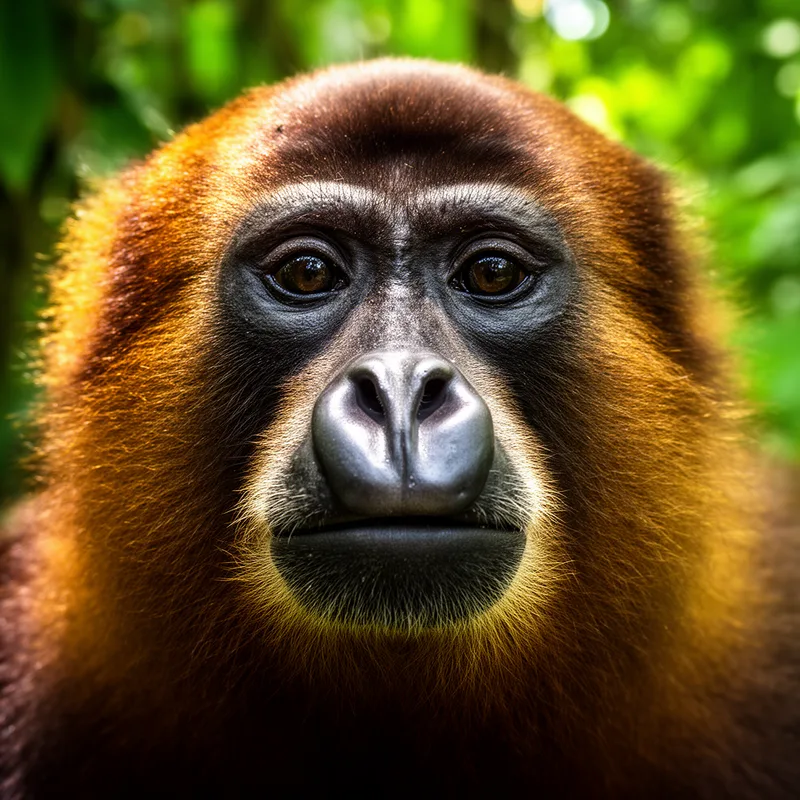
- Howler monkeys, known for their platyrhine noses, are common in Central and South America.
Examples
-
The scientist studied the platyrhine features of the New World monkeys.
-
Some anthropologists classify populations based on platyrhine nasal structures.
-
The platyrhine species of monkeys are fascinating to study.
-
Why are platyrhine primates so unique?
-
Howler monkeys, known for their platyrhine noses, are common in Central and South America.
-
Some anthropologists classify populations based on platyrhine nasal structures.
-
The scientist studied the platyrhine features of the New World monkeys.
Synonyms

Relating to monkeys from Central and South America or people with broad, flat noses

Having a wide, flat nose with nostrils far apart

About monkeys from Central and South America or people with broad, widely spaced nostrils

Having a wide nose with nostrils far apart

A person or animal that has a wide, flat nose
How Wide

Surface Forms
Morphology
platyrhine = platy + rhine
Formed from Greek combining elements meaning 'broad' (platy-) + 'nose' (-rhine); the meaning 'broad-nosed' is directly analyzable by those familiar with such scientific combining forms but is likely obscure to an average B1 learner.
Etymology
The word platyrhine comes from Greek parts platy- meaning 'broad' or 'flat' and -rhine meaning 'nose', the same root you see in rhinoceros. So platyrhine literally means 'broad-nosed', which is why scientists use it for monkeys or people with wide, widely separated nostrils, like many New World monkeys.

