

planation
- noun
- /pləˈneɪʃən/
- Specialized
- Over millions of years, the river contributed to the planation of the entire valley.
Examples
-
The planation process is fascinating!
-
Wind can also play a significant role in the planation of desert landscapes.
-
Geologists study planation surfaces to understand an area's erosional history.
-
What is a planation?
-
The river's slow flow contributed to the planation of the valley floor over many years.
-
Geologists studied the planation of the mountains, noting how erosion had created flat areas.
-
The formation of a plateau is often the result of planation, where layers of rock are worn down.
Synonyms
 34
3.7
34
3.7

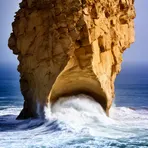
The gradual wearing away of land, rock, and other materials by forces such as water or wind
Antonyms
Surface Forms
Morphology
Etymology
The word planation comes from the Latin root planus, which means 'flat', and is like plane (a flat surface) or plain (flat land) to help you remember it. So planation is the slow wearing away of rock or soil that makes a nearly level, flat surface.