

perianth
- noun
- /ˈpɛriˌænθ/
- Specialized
- Each flower features a distinct perianth that varies in color and shape.
- perianth segments
- white perianth
- yellow perianth
Examples
-
However, species of Callitriche have unisexual flowers and lack perianth; thus, cleistogamy in the usual sense is not possible.
Academic text (1996) -
The perianth is the part of the flower that encases the reproductive organs.
-
In botany, the perianth consists of the calyx and corolla of a flower.
Synonyms
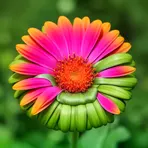
Outer parts of a flower that include the sepals and petals and surround the centre
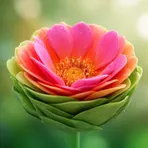
The outer parts of a flower, like sepals and petals, that protect its middle

Outer parts of a flower, like small leaf parts and colorful petals, that surround its male and female parts

Outer part of a flower with petal-like parts that surround the center
Surface Forms
Morphology
perianth = peri + anth
Formed from Greek combining elements (peri- + -anth-) that are not standalone English words and the term is specialized botanical vocabulary, so an average B1 learner cannot reliably infer the meaning from the parts.
Etymology
The word perianth comes from Greek parts peri- meaning 'around' and anth- meaning 'flower'. So a perianth is the outer part that sits 'around' the flower, like the petals and sepals, which protect the centre and help the flower make seeds.

