
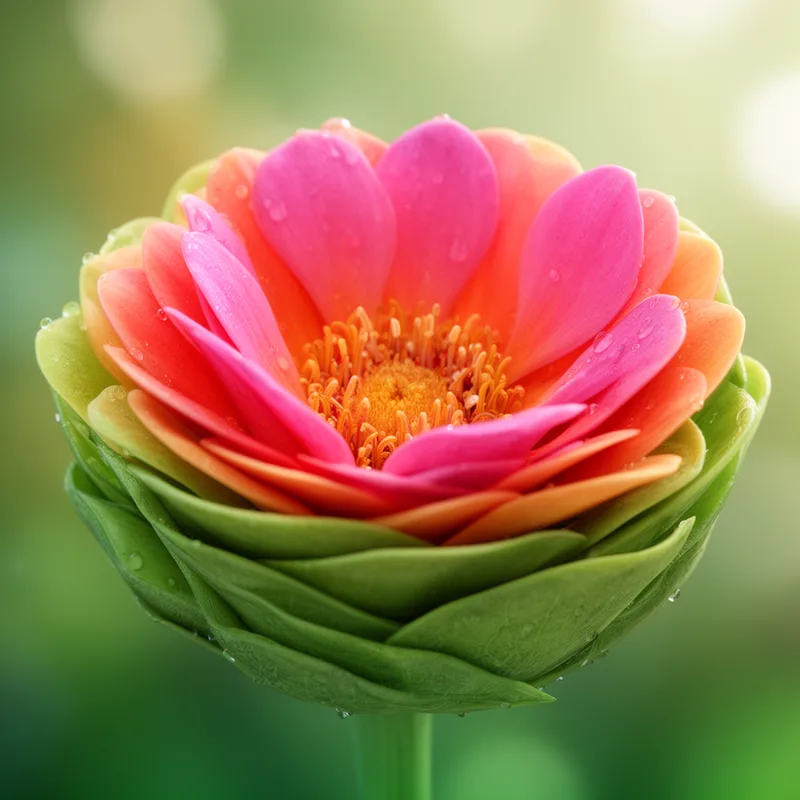
chlamys
- noun
- /ˈklæmɪs/
- Specialized
- The chlamys of the flower protects the reproductive organs within.
Examples
-
In some species, the chlamys is brightly colored to attract pollinators.
-
Botanists study the structure of the chlamys to classify flowering plants.
-
The chlamys protects the reproductive organs of the flower.
-
In botany, the chlamys is essential for flower structure.
-
The chlamys encloses the stamens and pistils of the flower, ensuring their protection.
-
During their studies, students learned how the chlamys helps in the classification of various plant species.
-
In many flowers, the chlamys plays a key role in attracting pollinators with its vibrant colors.
Synonyms
Outer parts of a flower that include the sepals and petals and surround the centre
The outer parts of a flower that surround its male and female parts

Outer parts of a flower, like small leaf parts and colorful petals, that surround its male and female parts

Outer part of a flower with petal-like parts that surround the center
Surface Forms
Etymology
Chlamys in botany also comes from the Greek khlamys, meaning 'cloak'. Botanists used this image because the outer parts of a flower 'cloak' and protect the inner parts, so a botanical chlamys is the flower's protective outer covering.

