
papilionoid


 1
9.9
- noun
- /ˌpæpɪˈliːəˌnɔɪd/
- Specialized
- Many papilionoids are found in tropical regions.
Examples
-
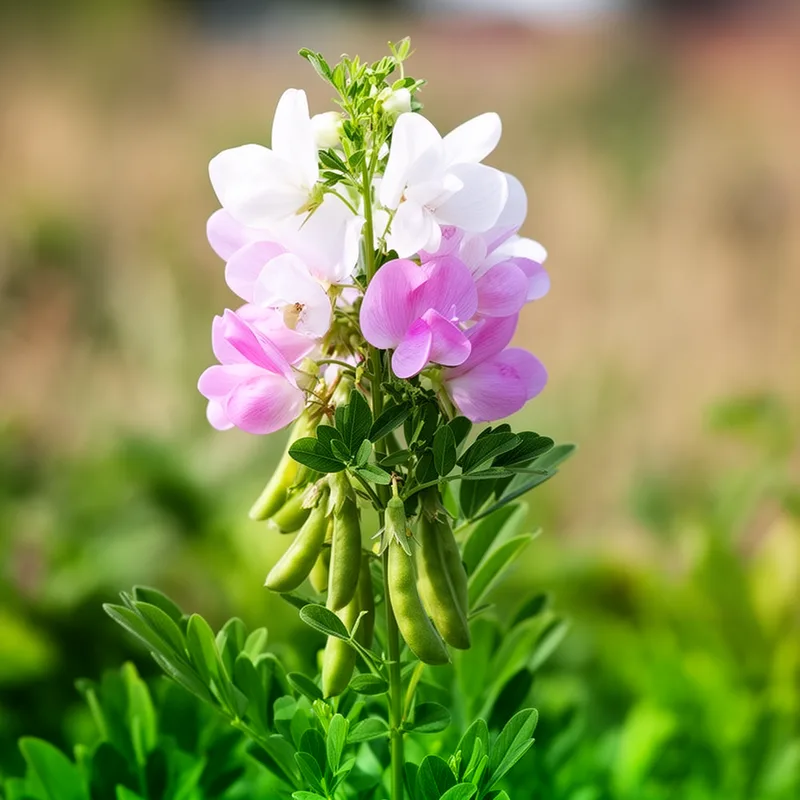
The papilionoid flowers bloom in vibrant colors.
-
The botanist identified the plant as a papilionoid because of its butterfly-shaped flowers.
-
Many crops, such as beans and peas, are classified as papilionoids in botany.
-
A rare papilionoid was discovered growing wild in the mountain valley.
-
The garden was filled with vibrant papilionoids, showcasing beautiful butterfly-shaped flowers like those of peas.
-
In botany classes, students learn to identify various papilionoids by their distinctive pea-like blossoms.
-
Many papilionoids thrive in tropical climates, enhancing the biodiversity of the region with their unique floral structures.
Synonyms
A group of plants with butterfly-shaped flowers, like peas and beans

A group of plants like peas and beans that have butterfly-shaped flowers
Surface Forms
Morphology
papilionoid = papilion + oid
Although visibly composed of 'papilion-' + '-oid', the combining form is not a familiar English base and the noun sense is specialized botanical terminology, so the meaning is not derivable for typical learners.
Etymology
Papilionoid comes from Latin papilio ('butterfly') and -oid ('like'), and as a noun it names a plant with pea-like, butterfly-shaped flowers. That is why common crops such as beans and peas are often called papilionoids.