
papilionoid


 1
9.9
- adjective
- /ˌpæpɪˈliːəˌnɔɪd/
- Specialized
- The papilionoid flowers of the legume are stunning.
Examples
-
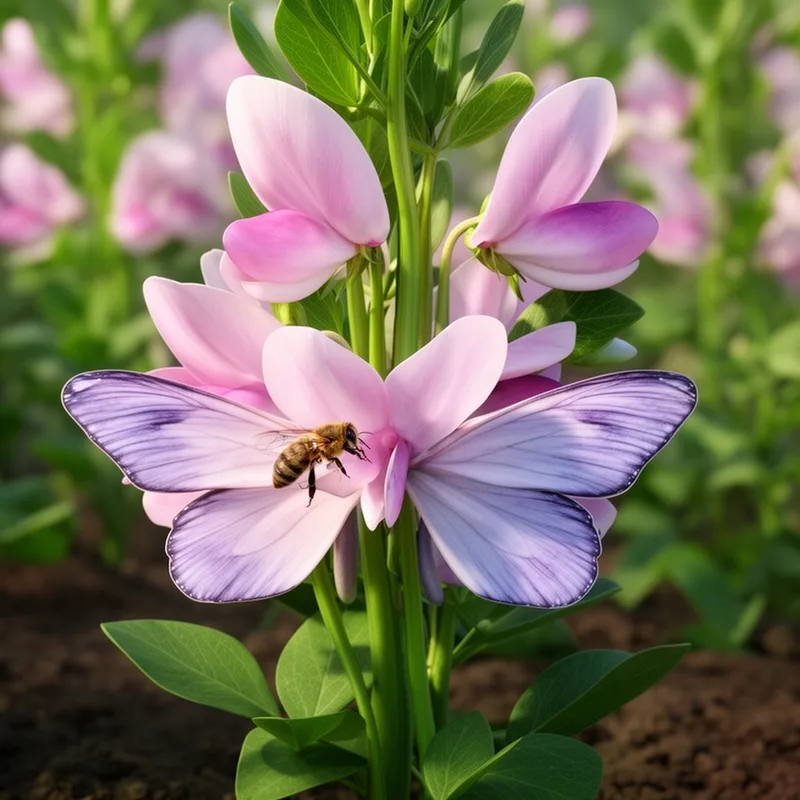
The pea plant is a classic example of a papilionoid species with butterfly-shaped flowers.
-
Many legumes display papilionoid characteristics, making them easy to identify in the field.
-
The papilionoid structure of the flower helps attract pollinators such as bees.
-
Many papilionoid species thrive in tropical climates.
-
Many papilionoid plants have flowers that resemble butterflies and can be found in various gardens.
-
The researchers studied papilionoid species to understand their unique pollination methods.
-
In spring, the vibrant papilionoid blooms attract a variety of pollinators to the garden.
Surface Forms
Morphology
papilionoid = papilion + oid
Formed from the Latin combining form 'papilion-' plus the scientific suffix '-oid'; the combining form is not a standalone English word and the term is specialized botanical vocabulary, so learners will not reliably derive the meaning.
Etymology
Papilionoid comes from the Latin word papilio ('butterfly') and the ending -oid ('like'). In botany it names plants in the pea family whose flowers are shaped like small butterflies, so the origin explains the 'butterfly-shaped' meaning.