
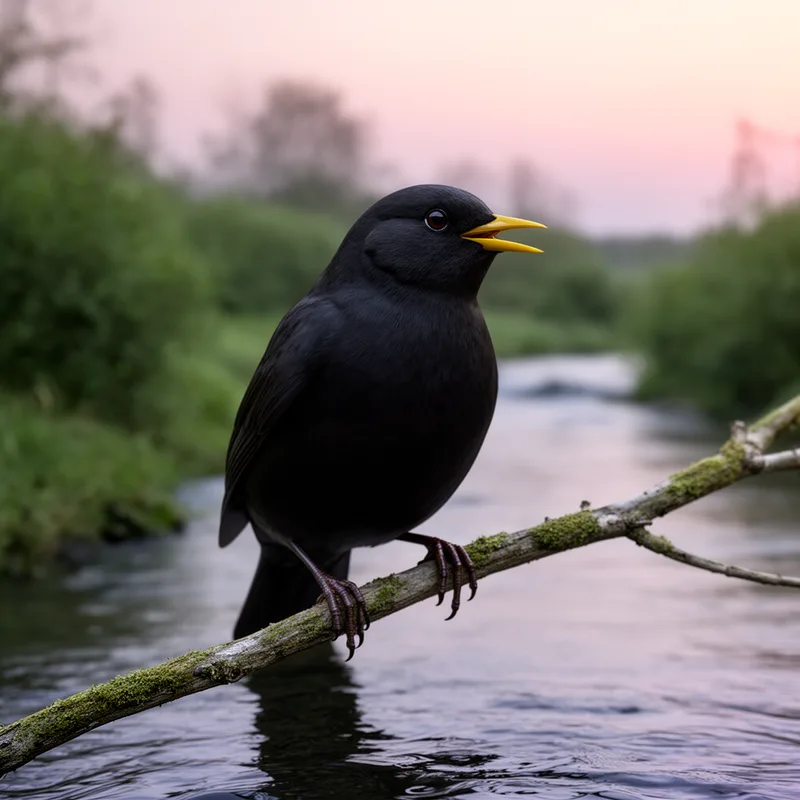
ouzel
- noun
- /ˈaʊzəl/
- Archaic
- You may hear an ouzel singing in the willows during springtime.
- water ouzel
Examples
-
It was a ring ouzel, and as this shy bird speared its way to the ridge on the moorland edge, it also drilled down through 35 years of memory to my first-ever encounter with the species.
Blog text (3) -
Dippers, or water ouzels, are known for their unique fishing behavior in clear streams.
-
I suspect the poets are proclaiming what we all feel and what I felt when that ring ouzel rose from the rowan tree.
Blog text (3) -
And in the ring, ouzel's millennial-long journey through time, this was the first moment that I personally intercepted; it's a moment I still cherish.
Blog text (3) -
Dippers, or water ouzels, are short-tailed, dark gray birds that live along stream edges year-round.
Academic text (1991) -
By a bridge abutment, nesting ouzels trilled their mating song, creating a beautiful melody.
Synonyms

 8
1.0
8
1.0

A common songbird in Europe with black feathers and a yellow beak
 8
9.9
8
9.9
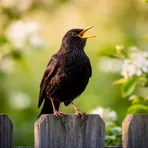
A common black bird in Europe with a yellow beak and a sweet song


 1
9.9
1
9.9
A common bird in Europe with all black feathers that sings in gardens
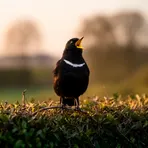
A black bird that sings, like a blackbird or ring ouzel
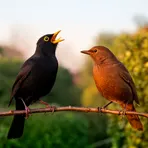
A common bird with a black male and a brown female that sings a beautiful song
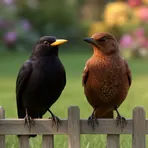
A common European songbird with males black and females brown

A European bird often found on rocky hills with dark feathers and a white band on the male's neck
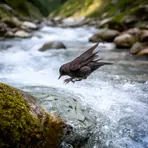
A small, strong bird that lives by fast streams and dives into water to get food
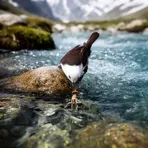
A small bird with a white throat that lives by rivers and dives for insects
Compounds

A small bird that lives by streams and dives underwater to catch insects
A small bird with a white throat that lives by rivers and dives for insects
- UK
A European bird often found on rocky hills with dark feathers and a white band on the male's neck
Surface Forms
Etymology
Ouzel comes from an old English form ousel, which simply meant 'dark, thrush-like bird'. A helpful way to remember it is to think of ouzel as an old name for a blackbird or the river dipper, so the word still means a dark bird you might see by hedges or rivers.