
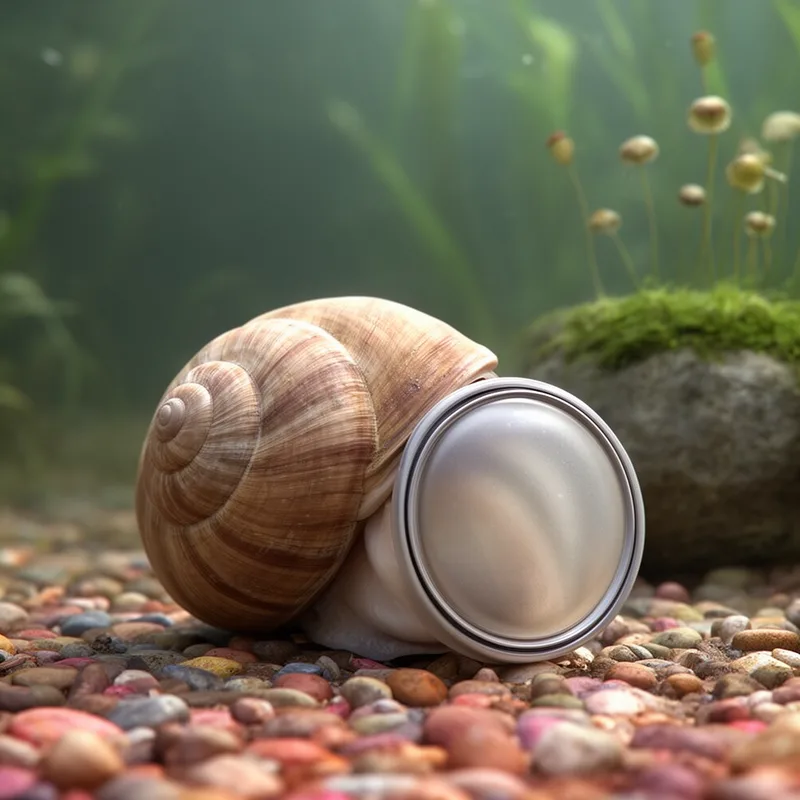
operculate
- adjective
- /ˈoʊpərˌkjʊlɪt/
- Specialized
- Many gastropods are described as operculate because they have a hard plate that closes the opening of their shells.
Examples
-
Certain mosses are operculate, releasing spores through a lid-like structure.
-
The operculate shell of the snail protects it from predators.
-
The operculate condition helps protect some aquatic snails from predators and desiccation.
-
Are all species of fish operculate?
-
Certain mosses are operculate, meaning they release spores through a lid-like structure.
-
Many gastropods are described as operculate, as their hard plates cover the openings of their shells.
-
The operculate design of some aquatic snails provides protection from predators and drying out.
Synonyms

Having a hard lid that closes an opening on a snail shell or seed capsule
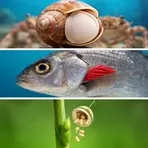
A cover like a lid that protects parts of an animal or plant
Surface Forms
Morphology
Etymology
The word operculate comes from the Latin operculum, meaning 'little lid', from operire 'to cover'. So an operculate plant or animal has a lid-like cover that opens or closes, like a small 'lid' on a jar, which protects what is inside.

