
opercular
- adjective
- /oʊˈpɜrkjələr/
- Specialized
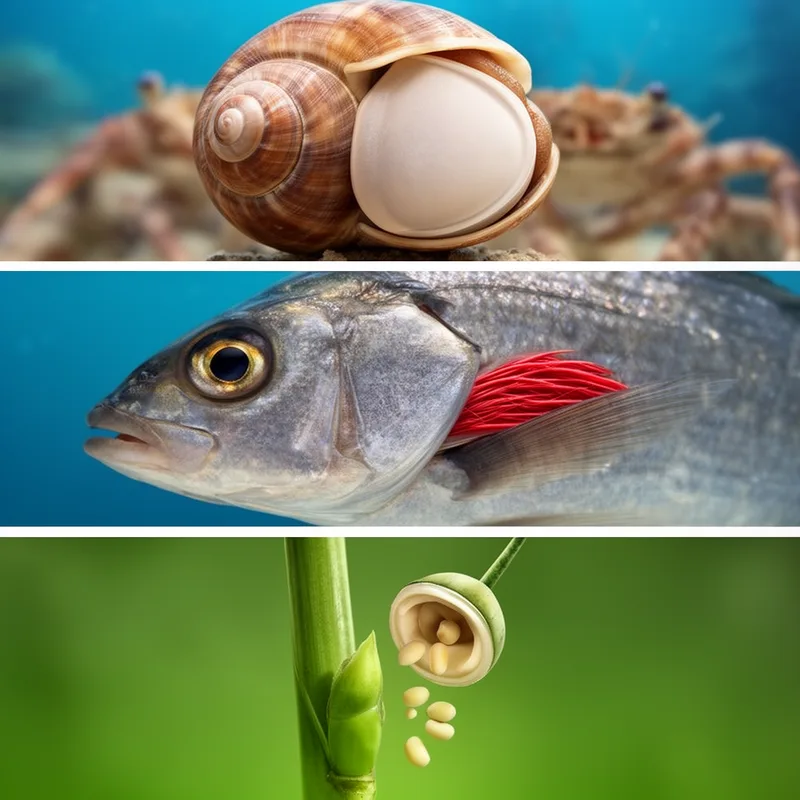
- The opercular structure in snails helps protect their soft bodies from predators.
Examples
-
Scientists studied the opercular bones to understand how the fish's gills are shielded.
-
The plant's opercular cap falls off when the seeds are ready to disperse.
-
The opercular structure is fascinating.
-
Look at the opercular features!
-
The opercular flap of the fish serves as a protective covering for its gills.
-
The opercular membrane of the snail acts as a natural lid, safeguarding its soft body.
-
In certain species of frogs, the opercular structure helps keep their lungs protected during hibernation.
Synonyms

 4
4.9

Covered by a lid, for example a pot or jar

Having a hard lid that closes an opening on a snail shell or seed capsule
A living thing with a lid-like cover that closes an opening, like on a snail shell or moss capsule
Surface Forms
Morphology
Etymology
Opercular comes from the Latin word operculum meaning 'little lid' and from operire meaning 'to cover'. So the word describes a part that acts like a lid or cover, protecting a soft body or a plant's seeds.