
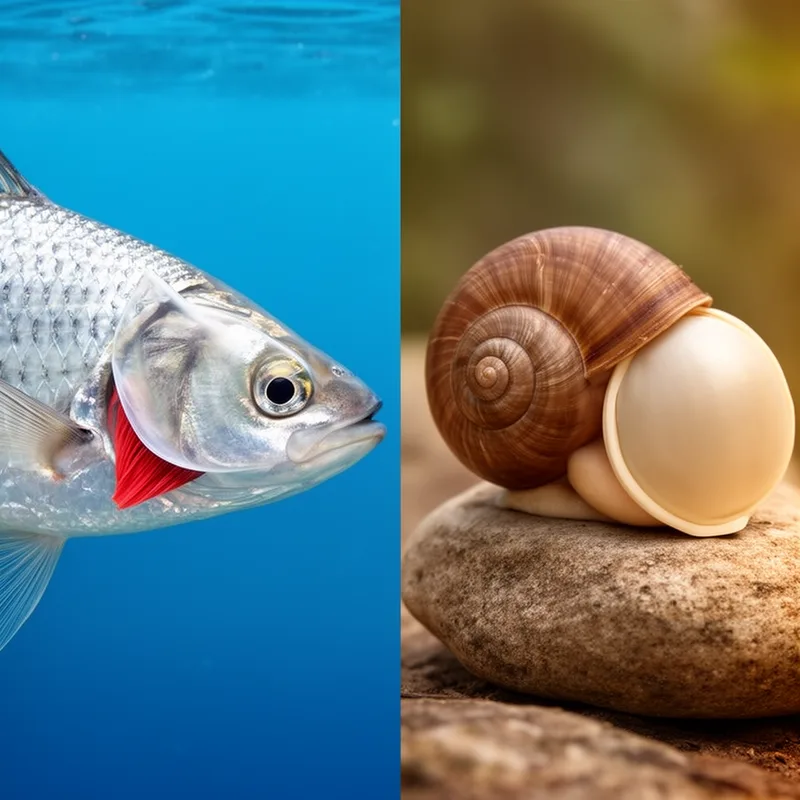
operculum


 1
9.9
- noun
- /əˈpɜrkjələm/
- Specialized
- Technically known as a moon snail's operculum, it serves as the trapdoor protecting the soft snail body from the outside world.
Examples
-
It makes perfect sense that an operculum would catch my attention on the beach because it initially looks like one of my search items: a piece of brown beach glass.
Blog text (14) -
Tetrapods lost the operculum in the transition from water to land.
Academic text (2003) -
The second arch gives rise to an operculum that contains the platysma.
Academic text (2006) -
We saw a few operculums lying on the shore.
Blog text (8) -
In addition to the loss of the operculum, the first tetrapods were endowed with numerous structural differences from their aquatic relatives.
Academic text (2003) -
Research suggests that melodic generation activates the supplementary motor area, primary motor cortex, and frontal operculum bilaterally.
Academic text (2015) -
Marine snails have what is known as an operculum—a trapdoor of sorts—which they can use to seal their shell.
Blog text (8) -
Lymnaeid snails with thin shells and no operculum are vulnerable to predators such as crustaceans, amphibians, birds, rodents, and reptiles.
Academic text (2014) -
The operculum acts like a trapdoor, allowing the snail to close its shell tightly.
-
Fish use the operculum to cover their gills, ensuring protection from debris.
Surface Forms
Etymology
The word operculum comes from the Latin operire meaning 'to cover' and the small ending -culum meaning 'little thing'. So an operculum is literally a 'little cover', which is why it is the hard flap or lid that closes and protects an opening in fish and snails.