
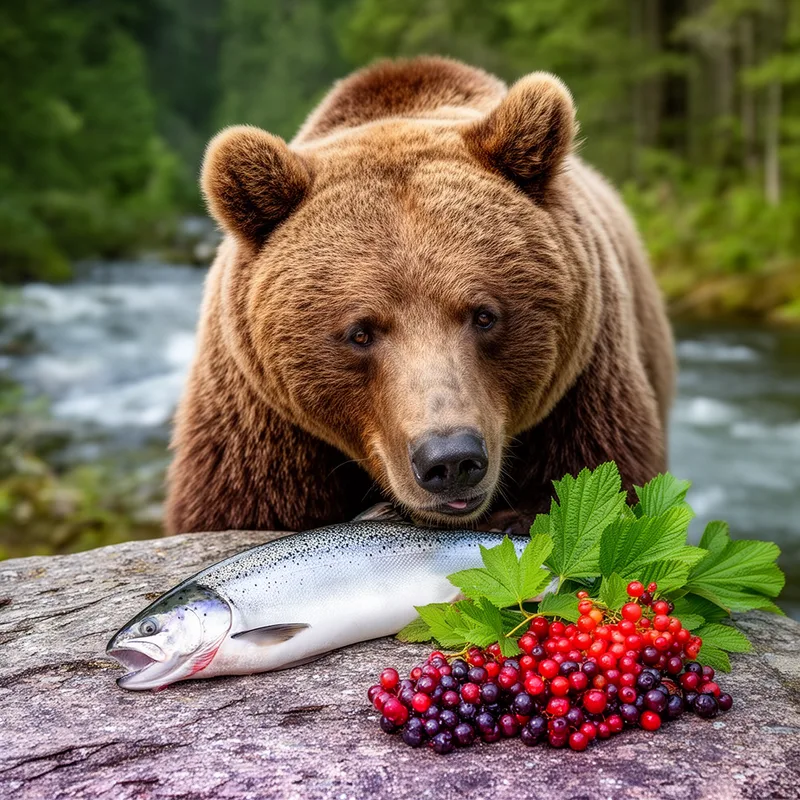
omnivore
 9
3.9
9
3.9

- noun
- /ˈɑmnɪˌvɔr/
- Specialized
- Humans are classified as omnivores because they consume both meat and vegetables.
Loading YouTube…
Watch on YouTubeAnd it was along the way that I slowly became an omnivore again.
- And it was along the way that I slowly became an omnivore again.
- You're you like all of human history, are an omnivore.
- And, and when I see the healthiest people in my life, they're almost all omnivores, with the exception of Rich roll.
- You've got your your vegans and your omnivores and your, your carnivore MD and you've got Liver King and you've got everything in between, right.
- And you've got to be an omnivore to be an ET.
- And even give my opinion on the environmentalism around veganism versus more of an omnivore diet.
- Also speak for yourself, isn't herbivore herbivore poo is way better for fertilizing than no one wants whatever omnivore poo.
Examples
-
So let's be clear on how different modern omnivore diets are from what our distant ancestors ate.
Blog text (10) -
We've been omnivores since before we were human.
-
Oh, no, I'm an omnivore.
-
And so it's OK for us to do that in the same way the other omnivore animals or carnivores kill.
-
But it is possible to grow food, even omnivore food, without needless suffering.
Blog text (15) -
The problem that I see is that "good" omnivore diets are difficult to sustain.
Blog text (10) -
I'm a flexitarian, meaning I'm an omnivore who eats small amounts of healthy meat.
Blog text (13) -
The impression was incorrect; they were omnivores, likely descended from predators, but it was a common one among the crew.
Fiction book (1999) -
I got to the vegan stage from omnivore by way of lacto-ovo vegetarianism.
Blog text (6) -
Pigs are different than sheep because they're omnivores and pigs need grain, or at least, well, they need grain to grow fat and be delicious.
Antonyms

How Omnivorous
- Specialized
9
3.9

- Specialized
9
3.7
Surface Forms
Morphology
omnivore = omni + vore
The meaning is fairly inferable as 'all-eater,' but both parts are learned classical combining forms rather than ordinary free English words familiar to most learners.
Etymology
The word omnivore comes from Latin parts omni- meaning 'all' and -vore meaning 'to eat'. So, an omnivore 'eats everything' and can eat both plants and animals, unlike a herbivore or a carnivore.