

oh my gosh
 2
7.0
2
7.0

- idiom
- /oʊ maɪ ɡɑʃ/
- Informal
- She looks over at him and she goes, Oh my gosh, you are perfect.
Loading YouTube…
Watch on YouTubeand I went, Oh my gosh, this is where we lived.
- and I went, Oh my gosh, this is where we lived.
- And I thought, oh, my gosh, you know, he read it.
- And after Dallas, Oh my gosh, I flew to Vegas.
- And I'm looking at it going, Oh my gosh, nobody's realizing this.
- Hello, Oh my gosh, the Earl girls are calling.
- And I love the sauce, so Oh my gosh, it's a tie.
Examples
-
Oh, my gosh, this is the cutest little thing.
-
Oh my gosh, these look so good!
Blog text (8) -
And I thought, oh, my gosh, you know, he read it.
-
and I went, Oh my gosh, this is where we lived.
-
Once that was put into place, Oh my gosh, we got something.
-
That kind of turned into, Oh my gosh, we're holding hands.
-
Not to mention, Oh my gosh, look at this.
-
And I looked up and I said, oh, my gosh, this could work.
-
It's like, Oh my gosh, I feel horrible.
-
Oh my gosh, this could work!
Synonyms
 ∞
1.0
∞
1.0
Show a sudden feeling like surprise or understanding
 ∞
7.2
∞
7.2
To say when surprised or when you want someone to stop suddenly
 ∞
7.2
∞
7.2
A short sound people make to show surprise or pleasure
 553
6.4
553
6.4
An exclamation showing surprise, wonder, or mild annoyance
 347
8.9
347
8.9
An angry or surprised question showing you do not believe something
 321
6.6
321
6.6
A short exclamation people use to show surprise or strong feeling
 175
8.8
175
8.8
A short informal word people say to show surprise, annoyance, or sympathy
 90
8.9
90
8.9
A short cry to show surprise, confusion, disbelief, or casual acceptance
 46
8.6
46
8.6
A short phrase people say to show surprise or admiration
 36
9.4
36
9.4
A short sound people say to show surprise or admiration
 35
8.2
35
8.2
An exclamation that shows strong surprise or shock
 26
9.9
26
9.9
A strong phrase people say when they are very surprised or shocked
 24
9.9
24
9.9
A word people say to show mild surprise
 17
9.4
17
9.4
A short informal cry showing surprise or strong feeling
 16
8.3
16
8.3
A short sound people say to show surprise or excitement
 14
8.8
14
8.8
A short cry people use to show surprise or amazement
 13
9.9
13
9.9
A short sound people make when they feel frustrated, annoyed, or surprised
 9
7.7
9
7.7
A short phrase people say to show surprise, shock, or admiration
 8
7.6
8
7.6
A short phrase people say to show surprise or disbelief
 7
9.1
7
9.1
A short sound people make when they feel a quick pain
 5
7.5
5
7.5
A short phrase people say to show surprise or shock
 4
9.9
4
9.9
A short informal word people say when they feel surprise, shock, or annoyance
 3
8.4
3
8.4
A short sound people make when they suddenly understand something
 3
9.9
3
9.9
A short sound people make to show surprise or admiration
 3
9.6
3
9.6
To say when you are very surprised or shocked
 2
9.9
2
9.9
An informal word people say to show surprise, annoyance, or that they do not believe something
 2
9.9
2
9.9
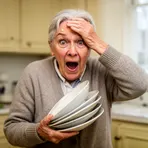
A short cry showing surprise or sudden understanding
 1
9.9
1
9.9
An old word people say to show surprise or strong feeling


 1
9.9
1
9.9
A mild old word people say to show surprise

A friendly phrase people say to show surprise or excitement

A short phrase people say when they feel surprised or do not believe something

A short word people say to show playful surprise or mild shock

A short phrase showing surprise or disbelief used by people who call on Allah
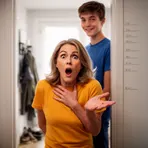
A short phrase people say when they feel surprised or do not believe something

A loud informal shout that shows surprise, shock, or strong annoyance

To say or write a short exclamation to show surprise

A short shout people use when they feel surprised or frustrated

A strong spoken reaction showing surprise and disbelief

A short exclamation showing surprise or excitement
How Surprised

Surface Forms
Morphology
The expression's meaning ('express surprise/shock') is directly derivable from combining 'oh' (an emotional interjection) with the possessive/emphatic 'my' and 'gosh' (a mild exclamation), so a learner who knows the constituents will infer the overall exclamatory sense. The construction is a common, transparent stacking of interjections (a mild euphemistic variant of 'oh my God') and similar patterns exist cross-linguistically, supporting immediate comprehensibility for B1 learners.
Etymology
The exclamation oh my gosh comes from people wanting a softer way to say 'oh my God' so they replaced 'God' with the milder word gosh. Because gosh sounds like 'God' but is more polite, people use oh my gosh to show surprise, shock, or disbelief without upsetting others.