
nicotinamide
- noun
- /ˌnɪkəˈtɪnəˌmaɪd/
- Specialized
- (A) Nicotinamide adenine dinucleotide.
Examples
-
Look, the cycle harnesses the available chemical energy of acetyl coenzyme A into the reducing power of nicotinamide adenine dinucleotide.
-
One of the substrates of this enzyme is nicotinamide adenine dinucleotide (NAD).
Academic text (2018) -
Crowder and colleagues followed these data by showing that heterologous expression of the mouse nicotinamide mononucleotide adenylyltransferase type 1 (Nmnat1) protected C. elegans.
Academic text (2017) -
In what seemed to be unrelated studies, overexpression of nicotinamide mononucleotide adenylyltransferase type 1 in mice was previously shown to reduce brain injury resulting from hypoxia (Verghese et al. 2011).
Academic text (2017) -
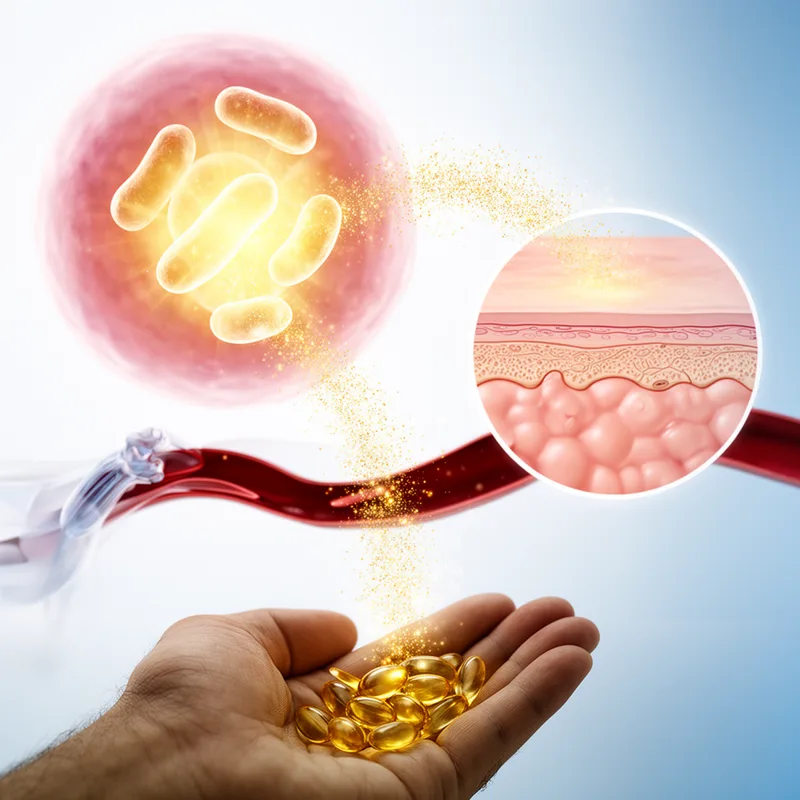
Nicotinamide is commonly used in skincare products to improve nicotinamide texture and hydration.
-
Many people take nicotinamide supplements to support their overall health and wellness.
-
Research shows that nicotinamide can play a key role in cellular metabolism and energy production.
Synonyms



 1
4.9
1
4.9
A type of vitamin B3 that helps the body make energy and keeps skin healthy

A form of vitamin B3 the body needs for healthy nerves and digestion
Compounds

- Specialized
A chemical in cells that helps make other molecules, for example during photosynthesis
- Specialized
A small molecule in cells that helps chemical reactions by carrying electrons

- Specialized
A small molecule in cells that sends signals to control DNA repair and aging
Surface Forms
Morphology
nicotinamide = nicotinic (opaque) = nicotin + amide
The combining form 'nicotin-' is not a standalone common English word and the meaning relies on specialized chemical/biological knowledge (conversion of a carboxylic acid to its amide), so learners cannot derive the meaning from the parts without domain knowledge.
Etymology
Nicotinamide comes from nicotine (a name taken from the Frenchman Jean Nicot and the tobacco plant) plus -amide, a chemical ending from 'ammonia' that marks a specific kind of compound, so the name points to a particular chemical. So, nicotinamide is simply the name for a specific form of vitamin B3 that the body uses and that appears in skin and health products.