
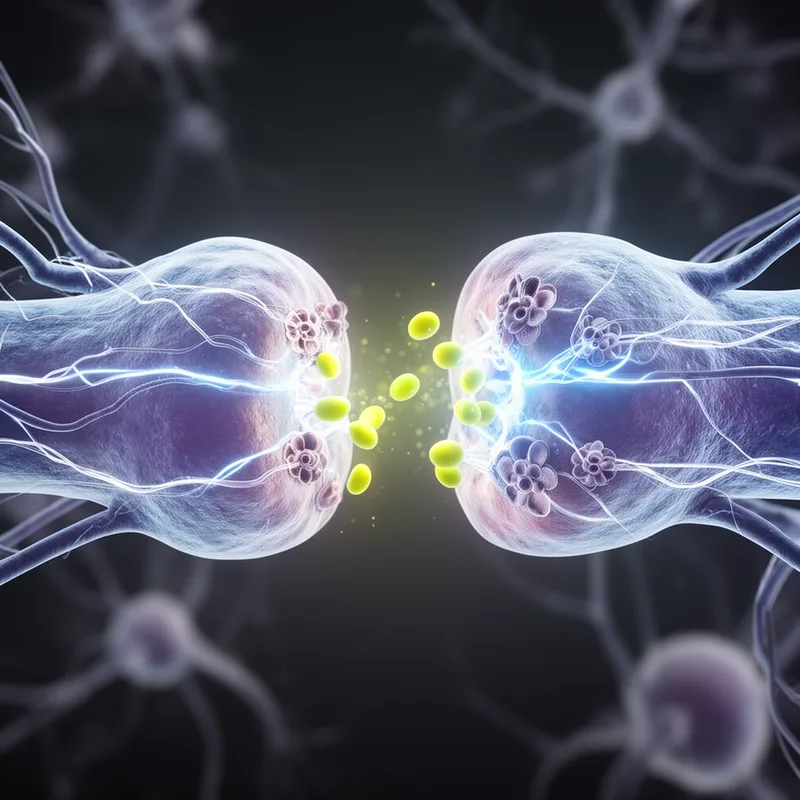
nicotinic
- adjective
- /ˌnɪkəˈtɪnɪk/
- Specialized
- It works by binding with high affinity and selectivity at the alpha-4/beta-2 neuronal nicotinic acetylcholine receptor.
- nicotinic receptor
- nicotinic acetylcholine
Loading YouTube…
Watch on YouTubeNicotine binds to so-called nicotinic acetylcholine receptors.
- Nicotine binds to so-called nicotinic acetylcholine receptors.
Examples
-
For instance, the addictive drug nicotine works by acting as an acetylcholine agonist by stimulating nicotinic acetylcholine receptors (Levin et al., 2006).
Academic text (2010) -
Epibatidine activates nicotinic acetylcholine receptors, which bind the neurotransmitter acetylcholine.
Academic text (1999) -
If the patient is also taking aspirin, taking the aspirin 30 minutes before the nicotinic acid may help.
Academic text (2011) -
And yes, smoking nicotine either by vaping or cigarette will activate those nicotinic receptors.
-
Nicotine binds to so-called nicotinic acetylcholine receptors.
-
Ezetimibe, fibrates, nicotinic acid, and bile acid sequestrants may also be considered in secondary prevention or in cases of statin intolerance.
Academic text (2011) -
Ezetimibe, fibrates, anion exchange resins, and nicotinic acid should be considered only where statins are contraindicated or not tolerated.
Academic text (2011) -
The mayor of Cesena (1939a) responded by making sure that the hospital had a reserve of nicotinic acid, which Neri and his family would receive along with dietary supplements including milk and bread.
Academic text (1992) -
Researchers explore the role played by nicotinic receptors in the grouping of neurons within the brain.
-
Drugs that target nicotinic receptors can help improve cognitive function in some patients.
Compounds
Surface Forms
Morphology
Etymology
Nicotinic comes from nicotine, the chemical found in tobacco that was named after a French man, Jean Nicot, who sent tobacco seeds to Europe. So nicotinic means 'like nicotine' and is used for receptors or drugs that act like or respond to nicotine.

