
neoteny


 1
9.9
- noun
- /niˈɑːtəni/
- Specialized
- Many domesticated animals exhibit neoteny, showing juvenile traits such as playful behavior and reduced aggression.
Examples
-
The final wrinkle with this is that Caucasians have rather recently stumbled across a series of adaptations that serve as misleading indicators of neoteny: white skin, blue eyes, and blonde hair.
Blog text (13) -
Authors like George E. Coghill, Raymond Ruyer, or Merleau-Ponty have seen neoteny as an interesting case for a non-teleological account of biological growth: the arrest of development forces the individual to constantly readapt itself to its milieu.
Academic text (2017) -
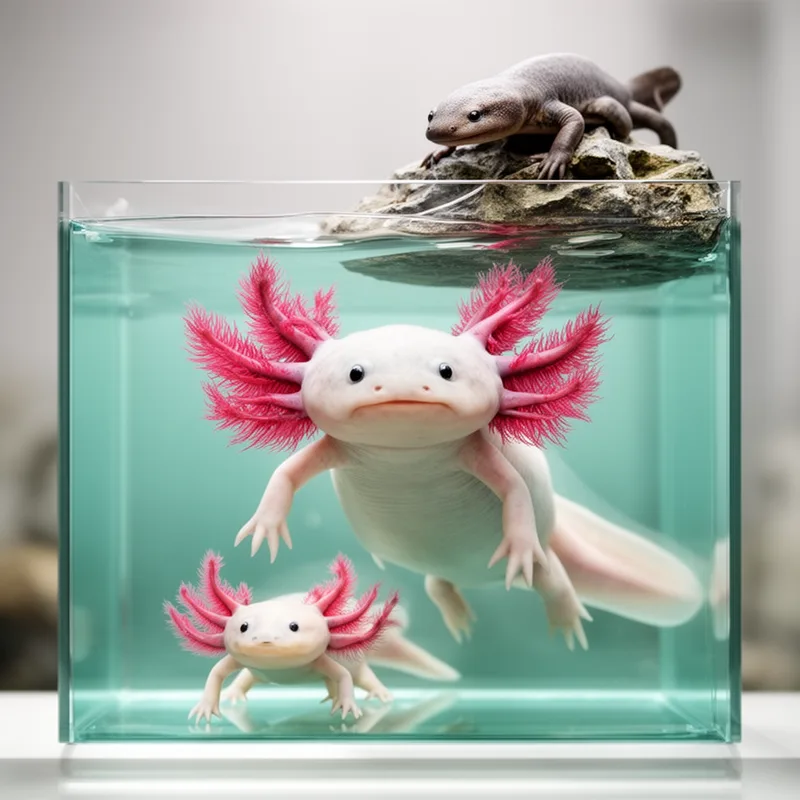
Scientists think their forever young condition, called neoteny, evolved because of their stable habitat.
-
In this reading, paradoxically, rather than being a 'conservative' moment, neoteny results from an 'inventive' thrust.
Academic text (2017) -
While for most species play primarily occurs early in life, it is the case that human evolutionary development incorporates neoteny, which involves the retention of juvenile physical characteristics in mature individuals, and the prolonged play impulse well into adulthood.
Academic text (2014) -
The acute selection for neoteny and feminine attractiveness selects against testosterone and other "manliness factors," including, incidentally and accidentally, male penis size.
Blog text (13) -
While polygyny ensured that all fertile females would be mated with, neoteny and attractiveness determined whether a female would manage to mate with the most powerful (intelligent and therefore militarily successful) males.
Blog text (13) -
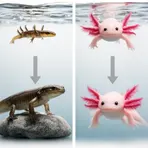
In the case of axolotls, neoteny allows them to retain their gills and aquatic features even as adults.
-
Neoteny in humans is evident in our larger heads relative to our body size, resembling the proportions of infants.
Synonyms
 1
9.9
Keeping young body or face features into adult life
 1
9.9
A process in which an animal keeps baby features as an adult
How Juvenile

Surface Forms
Morphology
neoteny = neotenic (opaque) = neo + teny
The formation involves specialized Greek combining material and a technical noun-forming ending; an average learner will not reliably derive the meaning from 'neo-' + the rest.
Etymology
The word neoteny comes from Greek parts: neo- meaning 'young' and -teny from a root meaning 'to hold or stretch', so it literally means 'holding youth'. That's why neoteny describes adults who keep young features, as when axolotls keep their gills.