
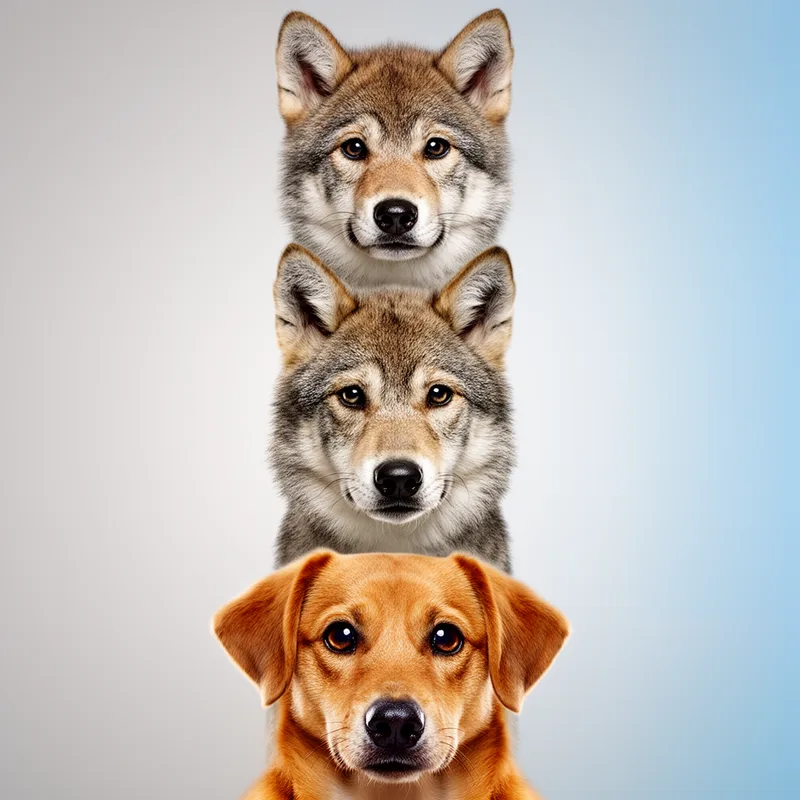
fetalization


 1
9.9
- noun
- /ˌfiːtəlaɪˈzeɪʃən/
- Specialized
- Researchers observed fetalization in certain dog breeds that maintain puppy-like features as adults.
Examples
-
The concept of fetalization helps explain why some mammals have large eyes and rounded faces.
-
Evolutionary biologists debate the role of fetalization in the development of human traits.
-
The concept of fetalization is fascinating in evolutionary biology.
-
Many species exhibit signs of fetalization as they mature.
-
Researchers observed fetalization in certain dog breeds that maintain puppy-like features into adulthood.
-
The phenomenon of fetalization can be seen in some species that retain juvenile characteristics as they age.
-
Many animals show fetalization by keeping traits such as large eyes and soft fur even in adulthood.
Synonyms
 1
9.9
The keeping of young animals' body parts or looks in adults
How Juvenile
- Specialized
1
9.9
 173
4.2
Surface Forms
Morphology
Etymology
Fetalization comes from fetus, 'young one', together with -ization, 'a process'. A helpful way to remember it is that fetalization names the process of keeping fetal or puppy-like traits into adult life, which explains why some adults keep big eyes or round faces.