

negligence
 80
6.5
80
6.5

- noun
- /ˈnɛɡlɪdʒəns/
- Specialized
- The Cooperative maintained that it was immune from suits for negligence and damages under state statute.
- contributory negligence
- gross negligence
- prove negligence
Loading YouTube…
Watch on YouTubeNow, is there some negligence claim to be had here?
- Now, is there some negligence claim to be had here?
- One person's negligence or company's negligence can result in another's settlement.
- In other words, what exactly is negligence?
- And unfortunately, one person has bore the the brunt of that, that negligence.
- Still, if we can sue for assault, battery, negligence, trespass, nuisance, covers all of the ways in which we can negatively affect each other.
- So I share another story of a colleague of mine in the book AGP, who a few years ago was she was the subject of a negligence claim.
- It makes manslaughter they're based on mere civil negligence, right.
- It's impossible to subscribe to the negligence argument.
- But as human beings, like you said, there's this gross negligence and how people are being educated.
Examples
-
They might have enough to charge him with criminal negligence.
-
Negligence is a gray area of the law, Yves.
-
Now, is there some negligence claim to be had here?
-
But let me tell you, Dad, this was not negligence on your part.
-
Do you know your negligence is directly responsible for my friend's death?
-
The evidence will prove that there was negligence.
-
Now you want to sue the city for negligence, right?
-
We are talking about culpable criminal negligence, professionals who are not providing the professional services promised.
Academic text (1990) -
He'll be lucky if he doesn't get sued for negligence.
-
The lawyer explained that negligence occurred when the caregiver failed to provide enough attention to the patient.
Synonyms
 ∞
1.8
∞
1.8
A mistake or personal weakness that causes people to blame someone
 100
3.5
100
3.5
Not caring for someone or something that needs care
 17
4.8
17
4.8
Failing to do required duties and causing problems for others
 16
8.4
16
8.4
Not doing a duty you must do
 16
2.8
16
2.8
Lack of attention that causes mistakes or accidents
 1
5.1
1
5.1
Not doing important tasks you must do at work


 1
6.5
1
6.5
Not doing what you must by law or by what is right to keep others safe
 1
9.3
1
9.3
Not paying attention causes mistakes

Not giving needed care and attention to responsibilities or people

A lack of care when doing important work that causes problems

Not paying attention and being careless about work
Antonyms


Compounds

- Formal
4
7.5
Serious carelessness that puts other people at risk of harm or death

- Formal
1
8.6
A person's lack of care that reduces or stops money they can get from the person who caused the injury

- Formal
1
8.2
A rule that divides blame and reduces the money a person can get by their share of fault
- Formal
1
8.8
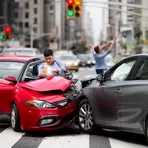
A careless failure to take normal care that causes or could cause harm

- Formal
Two or more people each cause the same harm by carelessness, allowing the injured person to sue any of them
How Negligent

Surface Forms
Morphology
negligence = negligent (transparent) = neglig + ence
The noun is a regular abstract formation from 'negligent', meaning the state or quality of being negligent.
Etymology
Negligence comes from Latin parts ne- 'not' and legere 'to pick or gather', so it once meant 'not picking up' or letting something be left. That's why negligence today means failing to take care or do what you should.