
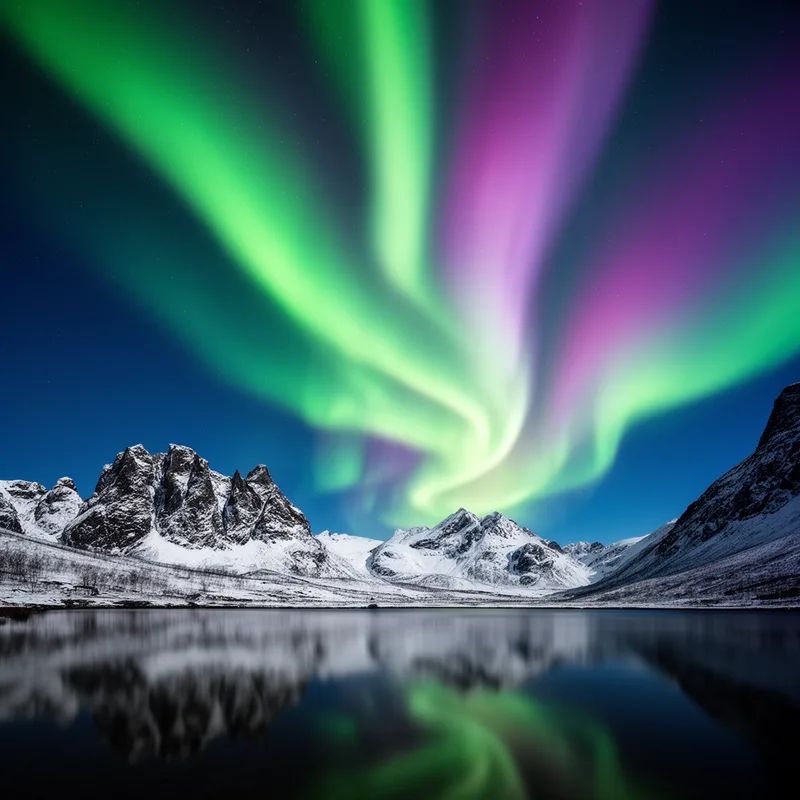
natural phenomenon
 7
3.7
7
3.7

- noun
- /ˈnæʧərəl fəˈnɛmənən/
- Ships carry the bulk of international trade, and natural phenomena from tsunamis to hurricanes can topple economies and devastate lives.
- explanations for natural phenomena
- observation of natural phenomena
- explain natural phenomena
Loading YouTube…
Watch on YouTubeSo this is a natural phenomenon of the random initial conditions.
- So this is a natural phenomenon of the random initial conditions.
- Another person say is about natural phenomenon that we don't know about yet and we cannot explain.
- And Manny writes about natural phenomena at points, but unfortunately gets them wrong.
Examples
-
Isn't fog the most incredible natural phenomenon?
-
Corrosion is a natural phenomenon that is based on the laws of chemistry, metallurgy, and electricity.
Academic text (1996) -
But there it's not just plants and animals, it's also natural phenomena like the moon or the sun.
-
I could explain every natural phenomenon
-
No, this is a natural phenomenon.
-
That was a natural phenomenon.
-
Science is a process and a method for explaining natural phenomena.
Academic text (2007) -
Like the Bermuda Triangle, it's a natural phenomenon.
-
The investigation of natural phenomena can be carried out, in principle, without recourse to theology.
Academic text (2009) -
Volcanoes are one of the most powerful natural phenomena on the planet.
Synonyms
 11
3.2
11
3.2
A change that happens in the world without human help
 1
4.4
1
4.4
A natural event that involves matter and energy and can be seen or measured
Antonyms

How Artificial
- Literature
3
8.7

- Formal
11
8.1
64
5.6
∞
2.1
7
3.7
Surface Forms
Morphology
The meaning 'an event or process that happens in nature and is not caused by humans' is directly and transparently derived from combining 'natural' (produced by nature) with 'phenomenon' (an observable event). This compositional, non-idiomatic pattern is cross-linguistically common, so a B1 learner who knows both constituents would readily infer the MWE meaning.
Etymology
Natural phenomenon names something that happens in nature; natural means from nature and phenomenon means an event you can see or feel, like a rainbow or an earthquake. So it refers to events or processes 'not caused by humans'.