
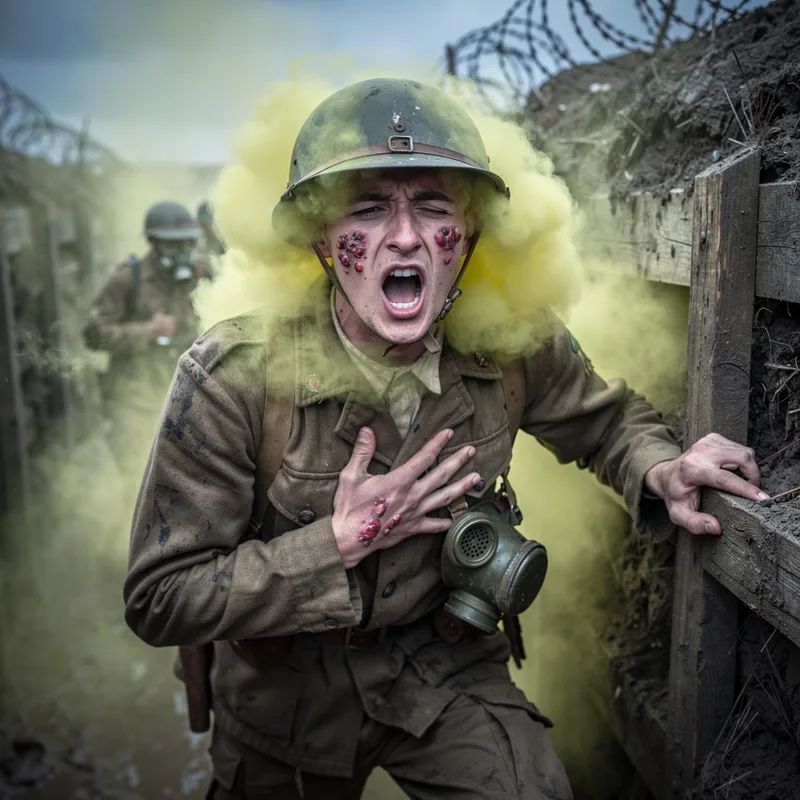
mustard gas
 6
7.7
6
7.7

- noun
- /ˈmʌstərd ɡæs/
- NSFW
- Many soldiers suffered severe injuries after being exposed to mustard gas during World War I.
Loading YouTube…
Watch on YouTubeAfter the war, the US Army blithely buried mustard gas artillery shells and left the area became known as Death Valley.
- After the war, the US Army blithely buried mustard gas artillery shells and left the area became known as Death Valley.
Examples
-
All he had was some old mustard gas in leaking barrels.
-
In the summer of 1918, influenza killed far more soldiers than did bombs, bullets, or mustard gas.
Academic text (2005) -
First place the Germans used mustard gas.
-
Everybody that lived in the project had to have gas masks in their house in case the tanks of mustard gas broke.
-
About 100 tons of mustard gas also came from Brazil.
Blog text (26) -
The United Kingdom paid for a chlorine factory that was intended to be used for manufacturing mustard gas.
Blog text (26) -
All the subjects had been exposed to mustard gas at least 10 years prior to the study, with an average time lapse of 13.3 years.
Academic text (2007) -
Now we have technological horrors, such as chemical warfare, which reared its ugly head during the deadly mustard gas attacks of World War l.
-
The first major Iraqi chemical attack occurred in August 1983 when Baghdad launched mustard gas attacks against both Iranian and Kurdish targets.
Academic text (2017) -
Between these two attacks on Shanghai, Italian dictator Benito Mussolini's pilots commenced raining mustard gas on innocent Ethiopians in 1935.
Academic text (2005)
Synonyms

 1
9.9
1
9.9
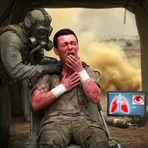
A very strong chemical weapon that causes severe blisters and harms the lungs and eyes

A poisonous gas, also called mustard gas, that causes severe skin blisters and lung damage

A poisonous chemical used in war that causes severe blisters and eye and lung damage
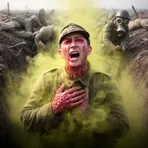
A very toxic gas used as a weapon that causes severe blisters and eye and lung damage
Surface Forms
Morphology
mustard + gas
Knowing 'mustard' and 'gas' lets a B1 learner infer this is a kind of gas related to mustard (e.g., mustard-like smell or origin), so part of the meaning is compositionally clear. However, the specific technical sense — a toxic chemical warfare agent that causes severe blistering — is specialized and not predictable from the constituents alone, making the expression only partially transparent.
Etymology
Mustard gas may come from its yellow-brown color and the strong smell that reminded people of mustard, and because it was a poisonous gas. Soldiers who smelled it compared it to mustard, so the name stuck. That's why mustard gas today means a 'chemical weapon' that causes severe blisters and lung damage.