

moss locust
- noun
- US
- Gardeners admire the moss locust for its unique bristly stems and decorative blooms.
Examples
-
We planted a moss locust near the fence to attract more pollinators to our yard.
-
The moss locust brightened the woodland with its vibrant pink flowers each spring.
-
The moss locust blooms beautifully in spring.
-
Many gardeners love the moss locust for its vibrant flowers.
-
The moss locust brightened the woodland with its vibrant pink flowers each spring.
-
We planted a moss locust near the fence to attract more pollinators to our yard.
-
Gardeners admire the moss locust for its unique bristly stems and decorative blooms.
Synonyms
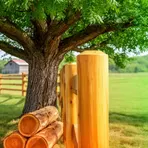
 3
4.6
3
4.6

A strong tree with very hard wood used for fence posts


 1
5.5
1
5.5
A hardwood tree with compound leaves and very strong wood
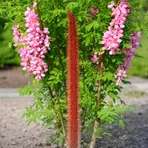
A large shrub or small tree with bristly stems and groups of pink flowers
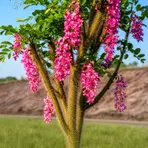
A large bush or small tree with rough stiff hairs on its stems and clusters of pink flowers
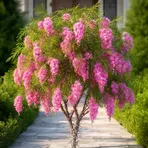
A large shrub or small tree with spiky stems and pink flower clusters used in gardens
Surface Forms
Morphology
The compound follows a noun–noun pattern so a learner might guess it denotes a kind of 'locust' modified by 'moss', giving some clue that it is a plant. However, the specific botanical sense (a shrub/small tree) and the motivation for the name are not fully predictable—'locust' has multiple senses (insect vs. tree) and species names are often conventional—so a B1 learner who knows the words would only partially infer the intended meaning.
Etymology
Moss locust probably comes from how the shrub looks: its bristly stems and thick flower clusters can seem like soft moss growing on a small locust-type tree. That's why people use the name today to picture this plant.