

Robinia hispida
- noun
- Specialized
- The garden features a Robinia hispida with stunning clusters of pink blossoms each spring.
Examples
-
The bristly stems of Robinia hispida make it easily distinguishable from other shrubs.
-
They planted Robinia hispida along the driveway for its ornamental appeal.
-
The Robinia hispida blooms beautifully in the spring.
-
I saw a Robinia hispida in the park yesterday.
-
The garden features a Robinia hispida with stunning clusters of pink blossoms each spring.
-
The bristly stems of Robinia hispida make it easily distinguishable from other shrubs.
-
They planted Robinia hispida along the driveway for its ornamental appeal.
Synonyms
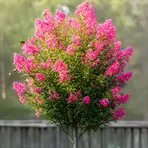
A large shrub or small tree with bristly stems and clusters of pink flowers
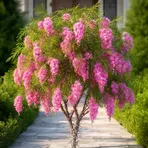
A large shrub or small tree with spiky stems and pink flower clusters used in gardens
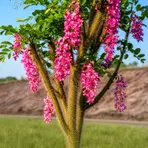
A large bush or small tree with rough stiff hairs on its stems and clusters of pink flowers
Surface Forms
Morphology
Robinia + hispida
This is a scientific binomial combining the genus name (Robinia) with a descriptive specific epithet; if a learner knows both parts (that Robinia is a plant genus and that hispida denotes a bristly/hairy quality), they can infer it is a Robinia species with bristly stems or features. Botanical Latin names are compositional and follow a regular pattern across languages, so the overall meaning is derivable from the constituents.
Etymology
Robinia hispida takes its name from a gardener and a Latin word: Robinia honors a gardener called Robin, and hispida means 'bristly' or 'hairy'. That's why the name brings to mind the plant's bristly stems and helps you remember this small shrub with pink flowers.

