
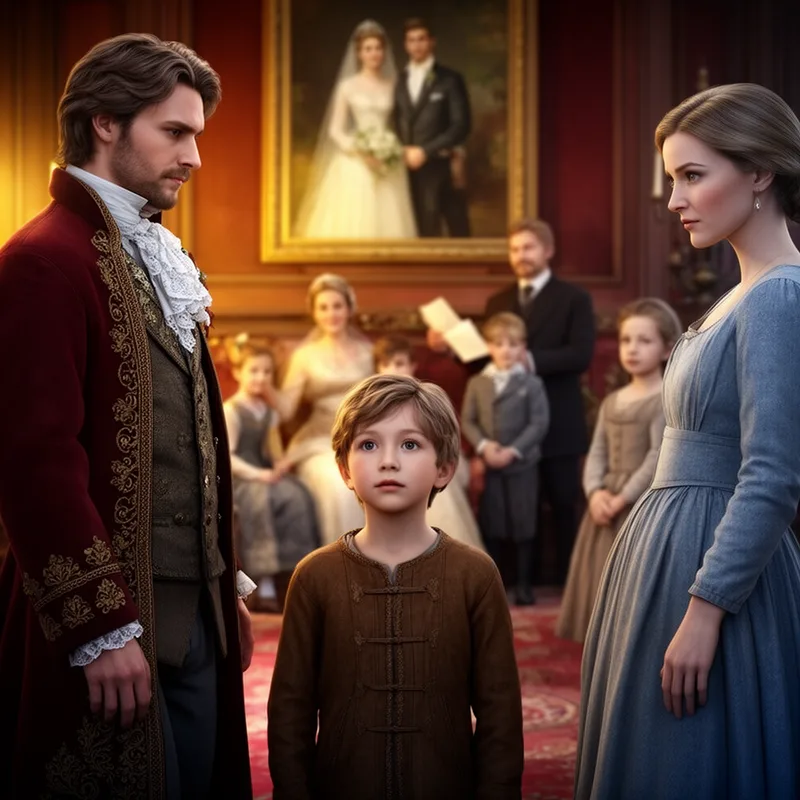
misbegot
- adjective
- /ˌmɪs.bɪˈɡɑt/
- Offensive
- The king refused to recognize his misbegot children as heirs to the throne.
Examples
-
The estate was divided among the legitimate and misbegot offspring of the nobleman.
-
In the old novel, the protagonist struggled with the shame of being misbegot.
-
The misbegot child faced many challenges growing up.
-
In the story, the misbegot son sought his father's approval.
-
In the old novel, the protagonist struggled with the shame of being misbegot.
-
The estate was divided among the legitimate and misbegot offspring of the nobleman.
-
The king refused to recognize his misbegot children as heirs to the throne.
Synonyms

 39
6.1
39
6.1

A child or marriage not recognized by law because the parents were not married
 23
5.3
23
5.3
A child born to parents who are not married
 1
9.9
1
9.9
A child born to parents who are not married
Born to parents who are not married

Born to parents who are not married to each other
Antonyms


Surface Forms
Morphology
Etymology
Misbegot comes from mis- meaning 'wrong' or 'badly' and begot, the past of beget, which means 'to father or produce'. So to be misbegot was to be 'born outside marriage'—literally 'wrongly fathered', which is why the word meant 'illegitimate'.